What is a Sound Panel and How Does it Work?
Sound panels play a crucial role in managing sound within various environments. They are designed to reduce noise, enhance speech clarity, and improve overall acoustics. According to Dr. Emily Carter, an expert in acoustics and sound engineering, “Sound panels are essential tools for creating a comfortable auditory space.” This statement reflects the growing recognition of sound panels in designing spaces where sound quality matters.
In studios, offices, and homes, sound panels help absorb unwanted echoes and noise. They come in several materials, shapes, and sizes. Placing them strategically can significantly change how sound behaves within a room. However, optimal placement is often a trial-and-error process. Many users find themselves unsure about the best arrangement to maximize effectiveness.
Despite their advantages, some may doubt the value of sound panels. Costs, aesthetics, and maintenance can deter potential users. It’s important to weigh these considerations against the benefits they provide. Listening environments can improve considerably, making the effort worthwhile. Understanding how sound panels function can lead to better-informed decisions on their use.
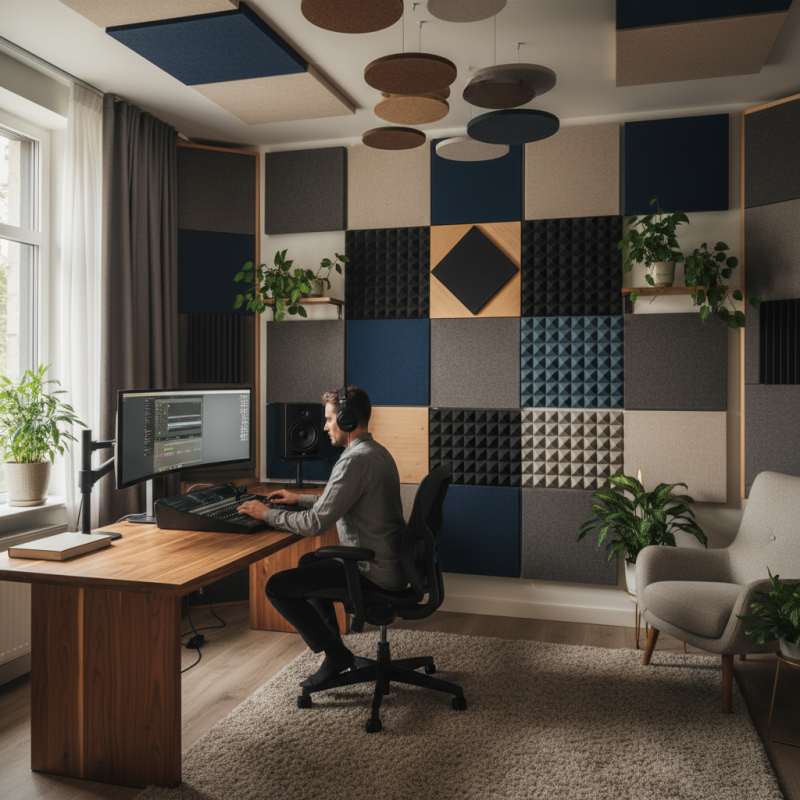
What is a Sound Panel? Definition and Overview
A sound panel, often used in studios and homes, helps control sound quality. These panels absorb or diffuse sound waves, reducing echoes and reverberation. Whether in recording studios or open office spaces, the goal is to create a more pleasant auditory environment. By minimizing background noise, sound panels enhance clarity in conversations and recordings.
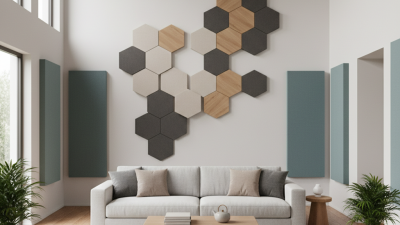
Many types of sound panels exist, including foam, fabric, and wooden options. Foam panels are lightweight and easy to install. Fabric-covered panels can match a room's decor while providing acoustic benefits. Their design and materials impact their effectiveness in sound absorption. Some people might realize the difference only after installing them. The sudden clarity in sound can be surprising.
Yet, there are criticisms too. Some users find sound panels don’t always meet their expectations. Issues may arise if they're not properly placed or sized. Installation can be a challenge, leading to uneven sound results. These aspects highlight the importance of expert advice when selecting and installing sound panels for optimal performance.
Types of Sound Panels: Absorption vs. Diffusion
When it comes to sound panels, two main types dominate the conversation:
absorption panels and
diffusion panels.
Absorption panels are designed to reduce sound reflections. They are often made of materials like
foam or
fiberglass. These materials capture sound waves
and prevent them from bouncing around a room. This is particularly useful in recording studios or
home theaters where clarity is essential.
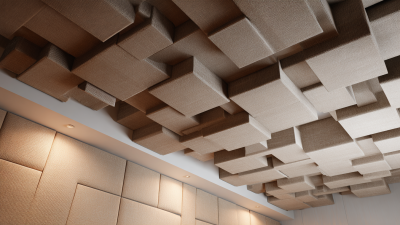
On the other hand, diffusion panels serve a different purpose. They scatter sound waves instead of
absorbing them. This helps maintain a more balanced sound in a space. Diffusion creates
a lively ambiance by preventing echoes. It can enhance music appreciation in a living room or
improve acoustic performance in larger venues.
Both types of panels have their advantages and limitations. For example, while absorption panels
reduce unwanted noise, they can also make a space feel "dead." Conversely, excessive diffusion can
lead to an overactive sound environment.
Choosing between absorption and diffusion often depends on the specific needs of a space. Consider
the size, materials, and purpose of the room. Each choice reflects a balance between
control and liveliness in sound. Striking that balance can make all the
difference in how we experience audio.
How Sound Panels Function: Acoustic Principles Explained
Sound panels are crucial in managing environmental acoustics. They work on principles of sound absorption and diffusion. Sound energy hits these panels, reducing reflections in a room. Reports indicate that poorly treated spaces can have a reverberation time double that of optimally treated ones.
Common materials for sound panels include foam, fabric, and wood. Each type has unique acoustic properties. For instance, foam is lightweight and effective at absorbing high frequencies. However, it may not be sufficient for mid to low frequencies. Research suggests that a balance of different materials enhances overall sound quality.
Placement is vital for effectiveness. Positioning sound panels strategically can improve any room's acoustic performance. In offices, proper placement reduces distractions and enhances focus. However, many users overlook the importance of measuring reverberation times before installation. A thoughtful approach can lead to improved sound environments, but it requires careful planning and consideration.
Sound Panel Effectiveness Across Frequencies
This chart illustrates the sound absorption coefficient of sound panels across different frequencies. The higher the coefficient, the more effectively sound panels absorb sound at that particular frequency, thus improving the acoustic environment.
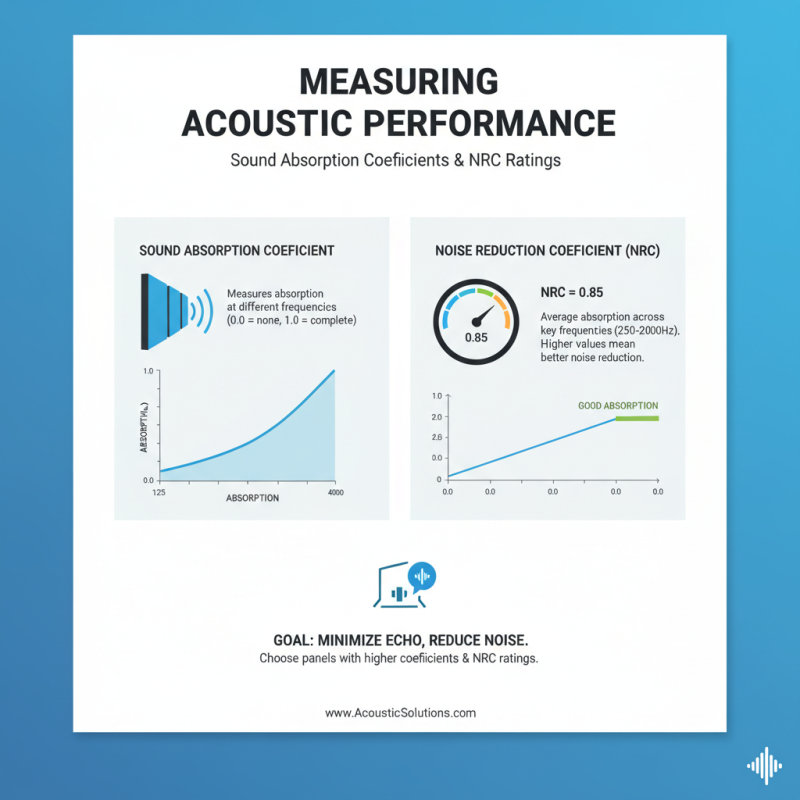
Measuring Performance: Sound Absorption Coefficients and NRC Ratings
Sound absorption is crucial in controlling noise levels. It is essential to measure sound panel performance using specific metrics. Two key measurements are sound absorption coefficients and Noise Reduction Coefficient (NRC) ratings. The sound absorption coefficient demonstrates how much sound a panel can absorb at various frequencies. A value ranges from 0.0 (no absorption) to 1.0 (complete absorption). Panels with coefficients closer to 1.0 effectively minimize echo and reduce background noise.
NRC ratings combine different absorption coefficients into a single number. High NRC values indicate better overall sound absorption. Research shows panels with an NRC of 0.70 or higher significantly enhance acoustics in various environments. This is vital in spaces like recording studios, theaters, and offices. However, many panels may not meet these standards. Users often overlook proper installation, which can reduce effectiveness. Reflecting on overall acoustics can improve outcomes.
Understanding these metrics can help in making informed decisions. Choosing the right panel is not merely about aesthetics. Consider how each option impacts acoustic performance. Evaluating absorption properties empowers users to create environments with optimal sound quality. Test results should drive choices, shaping user experiences in diverse settings.
Applications of Sound Panels in Various Environments
Sound panels are widely used in various environments. They help control noise and improve sound quality. In offices, they create a quieter atmosphere. Employees can concentrate better without distractions. Sound panels absorb sound, making conversations clearer and more private.
In schools, sound panels enhance the learning experience. Classrooms become less noisy, allowing students to focus on lessons. This is crucial for speech clarity and hearing. Music rooms also benefit from sound panels. They provide an ideal setting for practice sessions and performances.
In public spaces, like restaurants and cafes, the ambiance is essential. Sound panels reduce echoes and background noise. Patrons can enjoy conversations without raising their voices. However, some may find that not all panels are effective in every setting. It is worth testing different options to find the right fit.
What is a Sound Panel and How Does it Work? - Applications of Sound Panels in Various Environments
| Environment |
Application |
Material Used |
Sound Absorption Coefficient |
Benefits |
| Recording Studios |
Sound Treatment |
Acrylic, Foam |
0.9 |
Enhanced audio clarity |
| Home Theaters |
Acoustic Treatment |
Fabric-wrapped Panels |
0.7 |
Improved sound experience |
| Offices |
Noise Reduction |
Polyester Fiber |
0.85 |
Reduced distractions |
| Schools |
Classroom Acoustics |
Mineral Wool |
0.9 |
Enhanced learning environment |
| Concert Halls |
Sound Diffusion |
Wood, Fabric |
0.95 |
Optimal sound distribution |



 '
'
