How to Source Chlorinated Poly Vinyl Chloride for Your Business?
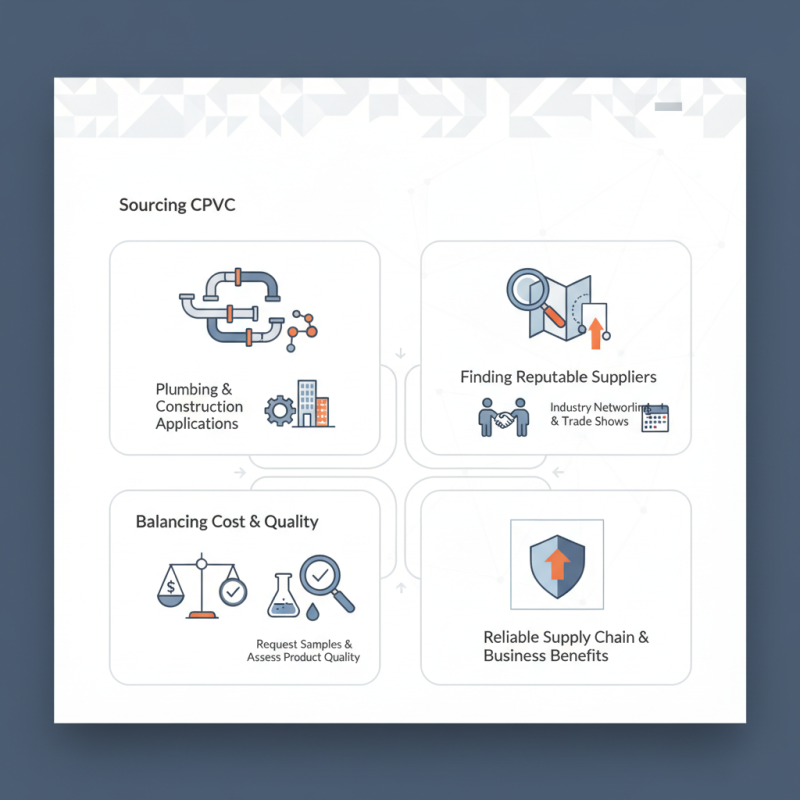
Sourcing Chlorinated Poly Vinyl Chloride (CPVC) for your business can be a complex task. This chemical compound has a wide range of applications, from plumbing to construction materials. Establishing a reliable supply chain is crucial for maintaining quality and consistency in your products.
Businesses often face challenges in finding reputable suppliers. Not all vendors provide the same level of quality or service. It is important to conduct thorough research to identify trustworthy sources. Networking within industry circles can yield valuable recommendations. Consider attending trade shows or joining industry groups. These events can introduce you to potential suppliers and help build professional relationships.
Pricing is another factor that should not be overlooked. While some suppliers may offer lower prices, the quality of Chlorinated Poly Vinyl Chloride might be compromised. Always request samples before making large orders. Assessing the product’s quality and performance is essential to make informed decisions. Balancing cost and quality can be difficult but rewarding. Ultimately, investing time in sourcing can lead to significant benefits for your business.
Understanding Chlorinated Poly Vinyl Chloride and Its Applications
Chlorinated Polyvinyl Chloride (CPVC) is a robust thermoplastic material. It is known for its high resistance to heat and corrosion. These properties make CPVC suitable for various applications, especially in plumbing systems and chemical handling. In fact, it is often used in industrial piping and construction materials. This versatility allows businesses to leverage CPVC for different needs, enhancing durability in installations.
Understanding the applications of CPVC is crucial. It can be found in residential and commercial plumbing, where it withstands high temperatures and pressures. Many industries utilize CPVC for its reliability. However, sourcing CPVC can be a challenge. It’s essential to ensure that the supplier adheres to industry standards. Not all suppliers provide consistent quality. Evaluating technical specifications and certifications is necessary.
While the initial cost of CPVC might seem high, the long-term benefits often justify the investment. Poor decisions in sourcing can lead to significant failures. Reflecting on material choices is vital. Consider the entire lifecycle of the product, including environmental impact. This approach can lead to better product selections and heightened customer satisfaction.
Identifying Reliable Suppliers for Chlorinated Poly Vinyl Chloride
Finding reliable suppliers for Chlorinated Poly Vinyl Chloride (CPVC) can significantly impact the efficiency of your business operations. The global CPVC market is experiencing robust growth, projected to reach USD 2.2 billion by 2026, according to recent industry reports. This highlights the importance of sourcing high-quality materials to remain competitive.
One effective strategy for identifying suppliers is to assess their manufacturing certifications and standards compliance. Reviewing ISO certifications can provide insights into their quality assurance processes. Suppliers with a proven track record in industries such as plumbing, electrical, and chemical processing should be prioritized. Asking for references from existing clients can shed light on their reliability and customer service.
Tip: Engage in direct communication with potential suppliers. Discussing your specific needs can help gauge their expertise and responsiveness. Ensure you inquire about their supply chain transparency, as this can reveal their commitment to ethical sourcing practices. Look for suppliers who regularly publish sustainability reports. This indicates a dedication to industry standards.
When evaluating suppliers, consider visiting their facilities if possible. Observing their operations firsthand can help you understand their production capabilities and quality control measures. That said, not every supplier will meet your expectations. Some may have long lead times or inconsistent product quality. Balancing cost with reliability is often a challenging aspect of sourcing. Always remember that establishing a relationship with suppliers takes time and due diligence.
Evaluating Quality Standards for Chlorinated Poly Vinyl Chloride Sourcing
When sourcing chlorinated polyvinyl chloride (CPVC), quality standards are crucial. Many suppliers may claim to offer high-quality materials, but this can be misleading. It is essential to evaluate certifications and testing methods used by potential suppliers. Look for certifications from recognized organizations that ensure products meet specific safety and quality standards. This validation serves as an indicator of reliability in material sourcing.
The manufacturing process of CPVC can also impact its quality. Check if the supplier uses modern production techniques. Older methods may lead to inconsistencies in product performance. Ask for samples to assess flexibility, durability, and resistance to corrosion. These physical characteristics can reveal much about the material’s suitability for your applications. Engaging in discussions with suppliers about their quality control measures can provide insights into their operations.
Another aspect to consider is sourcing transparency. Suppliers should be open about their sourcing practices. This openness builds trust and allows you to make informed decisions. If a supplier hesitates to provide information, reflect on the potential risks involved. Weigh the options carefully before committing to any supplier. Proper research and evaluation will ensure you select the best CPVC for your needs.
Negotiating Prices and Terms with Chlorinated Poly Vinyl Chloride Suppliers
Negotiating prices and terms with suppliers of chlorinated polyvinyl chloride (CPVC) can be challenging. Understanding the market is essential. Research various suppliers to gauge price ranges. Look for local and international sources. This helps you identify competitive pricing and build a strong negotiating position.
When you approach suppliers, clarity is vital. Discuss specific requirements like quality, quantity, and delivery schedules. Expressing your needs ensures transparency. Some suppliers may offer discounts for bulk orders. Be prepared to discuss payment terms. Flexibility often leads to better agreements. Establishing a rapport can also aid negotiations.
Keep in mind that not every supplier will meet your expectations. It’s crucial to evaluate their reliability. Assess their history, customer reviews, and certification. Sometimes, lower prices come with hidden costs. Be cautious about compromising on quality for a better price. Remember, achieving the best deal requires patience and careful consideration of all terms.
How to Source Chlorinated Poly Vinyl Chloride for Your Business?
| Supplier Region | Average Price (per kg) | Minimum Order Quantity (kg) | Lead Time (days) | Payment Terms |
| Asia | $2.50 | 1000 | 30 | Net 30 |
| Europe | $3.00 | 500 | 45 | Pre-pay |
| North America | $2.80 | 800 | 60 | Net 60 |
| South America | $3.25 | 700 | 50 | Cash on Delivery |
Ensuring Compliance and Safety Regulations in Chlorinated Poly Vinyl Chloride Use
Using chlorinated polyvinyl chloride (CPVC) in your business requires careful consideration of compliance and safety regulations. The material is popular for its durability, but improper handling can lead to health and environmental issues. Businesses must stay updated on local and international regulations governing CPVC use. This minimizes risks and promotes safe practices.
Training employees on proper handling techniques is essential. Workers should understand safety protocols and the potential hazards of CPVC. Regular audits can help identify gaps in compliance. Mistakes can happen, and it’s crucial to learn from them. A safety culture encourages feedback on procedures and creates a more informed workplace.
Documentation also plays a critical role in compliance. Maintain clear records of sourcing, usage, and disposal procedures. This builds accountability and transparency. While the process can be tedious, it ensures that businesses remain within legal frameworks. Every detail counts in creating a safer work environment.

 '
'
