What is a Surgical Light and How Does it Work?
Surgical Lights play a crucial role in modern operating rooms. Their primary function is to illuminate the surgical site, ensuring precision and safety during procedures. According to a report by MarketsandMarkets, the global surgical lighting market is projected to reach $1.6 billion by 2024, driven by advances in technology and growing demand for minimally invasive surgeries.
These specialized lights offer adjustable brightness and color temperature, enhancing visibility for surgeons. High-quality surgical lights reduce shadows and improve depth perception, contributing to better outcomes. However, not all surgical lights are created equal. Some models may struggle with heat emission, risking discomfort for both patients and medical staff.
Healthcare facilities must thoroughly evaluate their options. The right surgical light can improve efficiency and patient safety, while the wrong choice may impair surgical precision. Investing in state-of-the-art lighting technology is vital, but understanding the unique needs of each operating room is equally important.
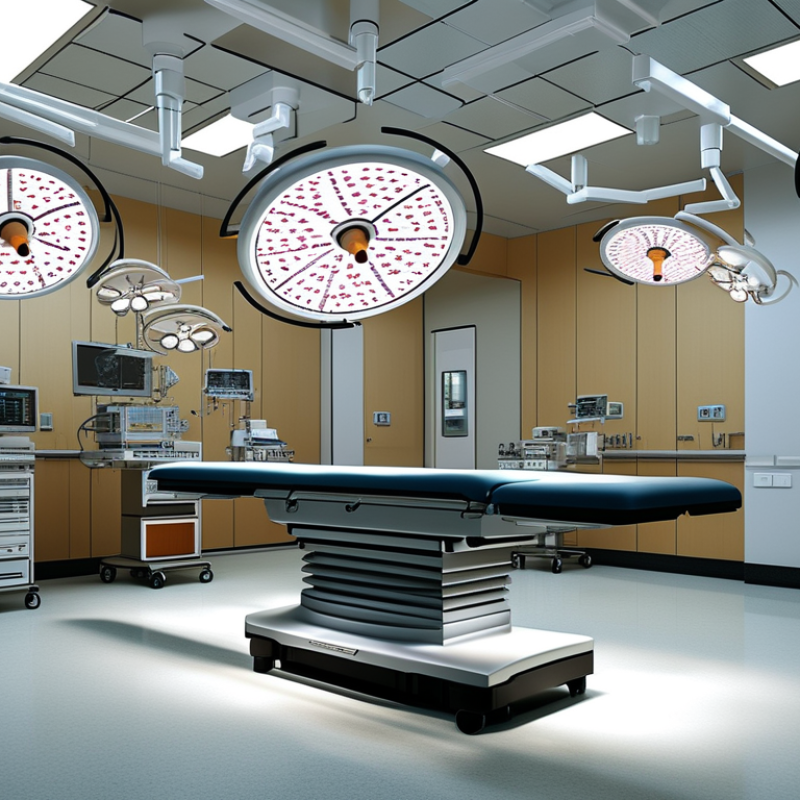
What is a Surgical Light?
Surgical lights play a critical role in operating rooms. They are designed to provide bright, focused illumination. This ensures that surgeons can see fine details during procedures. The lights are adjustable. Surgeons can change their intensity and direction. This flexibility supports various surgical techniques and preferences.
These lights often use LED technology. It produces a bright light with minimal heat. This is important to keep the operating area comfortable. Traditional surgical lights might generate excess heat. This can make the environment uncomfortable over time. However, LED lights minimize this issue. The clarity of light affects how well surgeons can operate. Poor lighting can lead to complications. Inadequate illumination may cause mistakes, necessitating reflection on the importance of proper lighting.
A subtle aspect is the color temperature of surgical lights. It plays a significant role in color accuracy. Surgeons need to distinguish tissue types accurately. Lights that emit too warm or cool of a hue can distort these details. Reflection on how surgical lighting impacts outcomes is crucial. Even small variations can lead to significant errors. Understanding their functionality helps in recognizing their importance.
Key Components of Surgical Lights
Surgical lights play a crucial role in operating rooms. They provide bright, focused illumination to help surgeons see clearly. Key components of surgical lights include adjustable arms, LED bulbs, and light controls. These components facilitate precise positioning and enable doctors to adapt the light intensity.
LED bulbs are preferred for their longevity and energy efficiency. Reports indicate that LED surgical lights can last over 50,000 hours, reducing replacement costs. Adjustable arms allow for versatile positioning, enhancing ergonomics in the operating theater. The flexibility helps minimize shadows during procedures, ensuring adequate visibility on the surgical site. Surgical lights also often include color temperature controls, allowing adjustments to be made for optimal illumination.
Tips: Consider the layout and space in your operating room when choosing surgical lights. Positioning can significantly affect lighting effectiveness. Regular maintenance is essential to ensure optimal performance. Dirty lenses can dim the light output, compromising surgical precision. Always refer to technical manuals for specific operational guidelines, as each model may vary. Keeping up with advancements in lighting technology can elevate surgical practice.
What is a Surgical Light and How Does it Work? - Key Components of Surgical Lights
| Component | Description | Function | Importance |
| Light Source | LED or halogen bulb that provides intense illumination. | Illuminates the surgical area. | Essential for visibility during procedures. |
| Arm Assembly | Flexible arm that allows light positioning. | Holds and directs the light source. | Provides versatility and stability. |
| Optics | Lens system that focuses light. | Enhances light intensity and reduces shadows. | Crucial for clarity and detail in surgical fields. |
| Control Interface | Control panel for adjusting light settings. | Regulates brightness and sometimes color temperature. | Allows customization for specific surgical needs. |
| Safety Features | Includes overheat protection and emergency shutoff. | Prevents accidents and equipment damage. | Ensures safe operation during critical procedures. |
How Surgical Lights Provide Optimal Illumination
Surgical lights are essential in operating rooms. They provide illumination for surgeons during procedures. Good lighting helps enhance visibility, which is crucial for precision. These lights can be adjusted to focus on a specific area. Brightness levels can also be modified to suit the procedure. This flexibility allows for optimal conditions tailored to each surgery.
When choosing a surgical light, consider its color temperature. A light with a high color rendering index (CRI) offers more accurate color representation. This is vital for identifying tissue types. Also, ensure the lights are shadow-free. Shadows can obstruct views, making surgery complex and risky. LED surgical lights are popular for their long life and low heat emission. This keeps the operating room comfortable.
Tips for maintaining surgical lights include regular cleaning and bulb replacement. Dust can diminish brightness. Ensure proper placement of the lights to minimize glare as well. Training staff to adjust lights effectively is also crucial. Each team member must understand how to achieve optimal lighting. Reflecting on these practices can improve surgical outcomes significantly.
Different Types of Surgical Lights and Their Applications
Surgical lights are essential in operating rooms. Their primary purpose is to provide bright, focused illumination during procedures. The right lighting minimizes shadows, allowing surgeons to see clearly.
Different types of surgical lights include ceiling-mounted, mobile, and wall-mounted options. Ceiling-mounted lights are popular for their stability and flexibility. They can be positioned exactly where needed. Mobile surgical lights are portable, making them useful in various settings. Wall-mounted lights save space and can be adjusted easily.
When choosing surgical lights, consider the intensity and color temperature. Bright lights enhance visibility, while the right color temperature reduces eye strain. It is crucial to have a good plan for positioning the lights. An improper setup may lead to discomfort for the surgical team.
Tip: Always test lights before surgery. Check for any flicker or unusual brightness levels. A well-illuminated surgical field can significantly improve outcomes. Remember to clean the lights regularly to ensure optimal performance.
The Importance of Surgical Lights in Operating Rooms
Surgical lights play a crucial role in the operating room. They ensure that surgeons have clear visibility while performing delicate procedures. High-quality lighting enhances precision and accuracy. Without adequate illumination, even minor errors can have serious consequences. Proper lighting minimizes shadows and provides a clear view of the surgical field.
The design of surgical lights is specialized. Most use LED technology, which offers bright, focused light. This reduces heat output, protecting the patient from discomfort. The lights are adjustable, allowing for various angles and intensities. Surgeons often adjust them for their specific needs. However, inconsistent placement can cause issues. A poorly positioned light might obscure vital areas.
Training and protocols for using surgical lights are vital. Staff must understand how to operate and maintain them effectively. Regular checks ensure optimal functioning. Unfortunately, many hospitals overlook this aspect. Lack of maintenance can lead to unexpected failures during surgery. Such situations demand immediate reflection on practices in surgical environments. Proper illumination is not just about visibility; it's about patient safety and surgical success.

 '
'
