Top Tips for Choosing Polycarbonate Material for Your Projects?
When embarking on a project that requires durability and clarity, the choice of material is crucial. Polycarbonate Material stands out as a robust option. Its versatility makes it suitable for various applications, from safety equipment to eyewear. However, selecting the right polycarbonate might not be straightforward. It’s essential to consider transparency, impact resistance, and UV protection.
Many users overlook the essential features of polycarbonate, leading to suboptimal results. For instance, thickness can greatly affect its strength and insulation properties. A common misstep is choosing cost over quality, which could compromise project outcomes. Understanding the different grades and finishes of polycarbonate material can prevent costly mistakes.
Research provides insights into the balance between practicality and aesthetics. High-quality polycarbonate can be an investment. However, not every project demands the most premium option. Sometimes, a more basic polycarbonate will suffice. Reflecting on your project's specific needs will guide a more informed choice.
Understanding Polycarbonate Material Properties and Benefits
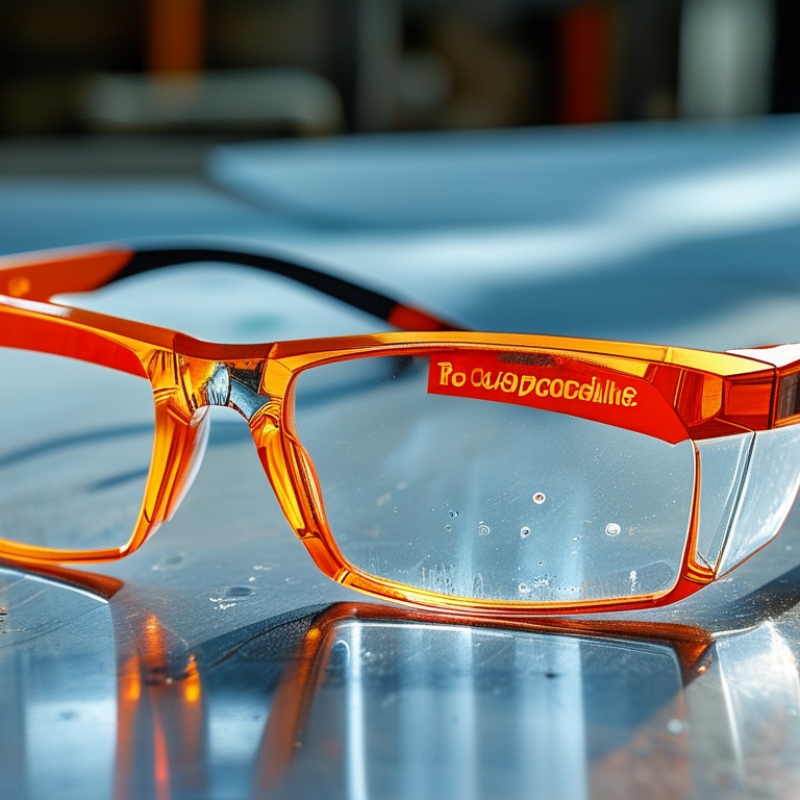
Polycarbonate is a versatile material known for its exceptional strength and durability. Its lightweight nature makes it an ideal choice for various applications. Additionally, polycarbonate has excellent impact resistance, which can be critical for safety in demanding environments. It also provides good thermal insulation, making it energy-efficient. These properties make polycarbonate a favored material in projects ranging from roofing to eyewear lenses.
When selecting polycarbonate, consider the specific needs of your project. Look for variations in thickness that suit your particular requirements. Thicker panels generally offer increased durability but can be less flexible during installation. Additionally, evaluate the UV protection offered by the material. Some polycarbonate sheets come with UV coatings, extending their lifespan significantly when exposed to sunlight.
Another crucial tip is to understand the intended environment. Is your project indoors or outdoors? Will it be subject to extreme weather conditions? These factors influence your choice. Be mindful of potential scratches, as polycarbonate can be prone to surface damage. Use protective films during transport and installation. Always research and compare different sourcing options. Ensure that you are getting reliable material that meets safety and quality standards.
Evaluating Application Requirements for Polycarbonate Use
When evaluating application requirements for polycarbonate use, understanding your project's specific needs is crucial. Polycarbonate is known for its high impact resistance and lightweight properties, which can be critical in applications ranging from construction to automotive. According to a report by the Engineering Plastics Association, polycarbonate material exhibits an impressive impact strength, up to 250 times that of glass, making it an excellent choice for safety-critical applications.
In addition to strength, consider factors such as weather resistance and clarity. The material can withstand significant temperature fluctuations, which is essential for outdoor installations. A study conducted by the Plastics Research Association revealed that polycarbonate maintains its clarity and performance even after extended exposure to UV radiation. However, not every project benefits from its use. For instance, if the application requires excellent scratch resistance, polycarbonate may not be the best choice.
Cost is another factor to think about. While polycarbonate can be more expensive than other plastics, its durability and performance can lead to lower long-term costs. However, this must be weighed against your budget constraints. Regularly reviewing project requirements can ensure that you're making informed decisions and maximizing the benefits of polycarbonate in your projects.
Comparing Polycarbonate Grades and Their Suitability
When selecting polycarbonate materials, it’s essential to understand the different grades available. Each grade has specific properties that make it suitable for various applications. For example, general-purpose polycarbonate is highly impact-resistant and suitable for projects requiring durability. It can be used in protective shields or as a glazing material.
On the other hand, optical-grade polycarbonate provides superior clarity and is ideal for applications where visual quality is paramount. It’s often chosen for lenses or displays. However, it can be more expensive and may not be necessary for all projects. Thick reports are necessary to weigh costs against requirements.
Consider environmental factors as well. Some polycarbonate grades resist UV light better than others. Without these protections, materials may degrade over time. Choosing the right grade means considering not only immediate needs but also long-term durability. Relying solely on one grade can lead to shortcomings in performance. Always evaluate the specific demands of your project before making a selection.
Assessing Cost-Effectiveness and Availability of Polycarbonate
When considering polycarbonate for your projects, cost-effectiveness and availability are key factors. Polycarbonate material is known for its strength and versatility. It is often more expensive than acrylic, but that may be justified by its durability. Evaluate your budget carefully. Are you willing to invest more upfront for long-term benefits?
Availability is another critical aspect. While polycarbonate sheets are widely accessible, specific grades may vary. Check local suppliers or online marketplaces. Sometimes, ordering in bulk can reduce costs. However, shipping fees may increase expenses. Factor all costs into your decision.
It's important to reflect on your project needs. Different applications might require different types of polycarbonate. The choice can impact both functionality and aesthetics. Evaluate whether the material meets your specific requirements. Balancing cost, availability, and your project's demands can help ensure a successful outcome.
Exploring Environmental Impact and Recycling Options for Polycarbonate
When considering polycarbonate materials, environmental impact cannot be overlooked. This thermoplastic has gained popularity due to its durability and strength. However, its production and disposal pose challenges. According to the American Chemical Society, around 60 million tons of polycarbonate are produced annually, creating significant waste.
Recycling options are limited but evolving. The recycling rate for polycarbonate is currently estimated at 20%, highlighting the need for better systems. Using recycled materials can reduce energy consumption by up to 80%. Therefore, selecting polycarbonate that supports recycling initiatives is crucial for sustainable projects.
Tips for selecting polycarbonate focus on assessing its lifecycle. Look for sources that provide information about their manufacturing processes. Choose products with certifications that ensure lower environmental impact. Always consider how the material will be disposed of at the end of its life. Understanding these details can make a significant difference in ecological footprint.
Top Tips for Choosing Polycarbonate Material for Your Projects
| Dimension | Value |
| Thickness (mm) | 2 - 15 |
| Impact Resistance (J/m) | 850 - 900 |
| Temperature Range (°C) | -40 to 120 |
| UV Resistance | Yes |
| Recycling Options | Yes (Mechanical, Chemical) |
| Common Applications | Greenhouses, Safety Glass, Signage |
| Weight (kg/m²) | 3.5 - 7 |

 '
'
