Top Anti-Vibration Gloves for Maximum Protection and Comfort?
In the industrial sector, safety is paramount. For workers exposed to vibration, Anti-Vibration Gloves are crucial. According to Dr. Emily Turner, a leading expert in occupational safety, “Quality anti-vibration gloves can significantly reduce the risk of hand-arm vibration syndrome.” This statement emphasizes the importance of proper protective gear in minimizing long-term health risks.
Anti-Vibration Gloves come in various styles, materials, and technologies. Selecting the right pair can enhance comfort while providing necessary protection. High-quality gloves feature specialized padding that absorbs vibrations effectively. The design ensures a secure grip without compromising dexterity. Workers must choose gloves that fit well and are comfortable for extended use.
However, not all gloves meet safety standards. Poor-quality products can lead to inadequate protection, putting workers at risk. Thus, it is essential to research and understand the features of Anti-Vibration Gloves. Users should also consider their specific working conditions. An informed choice leads to enhanced safety and reduces the possibility of injury.
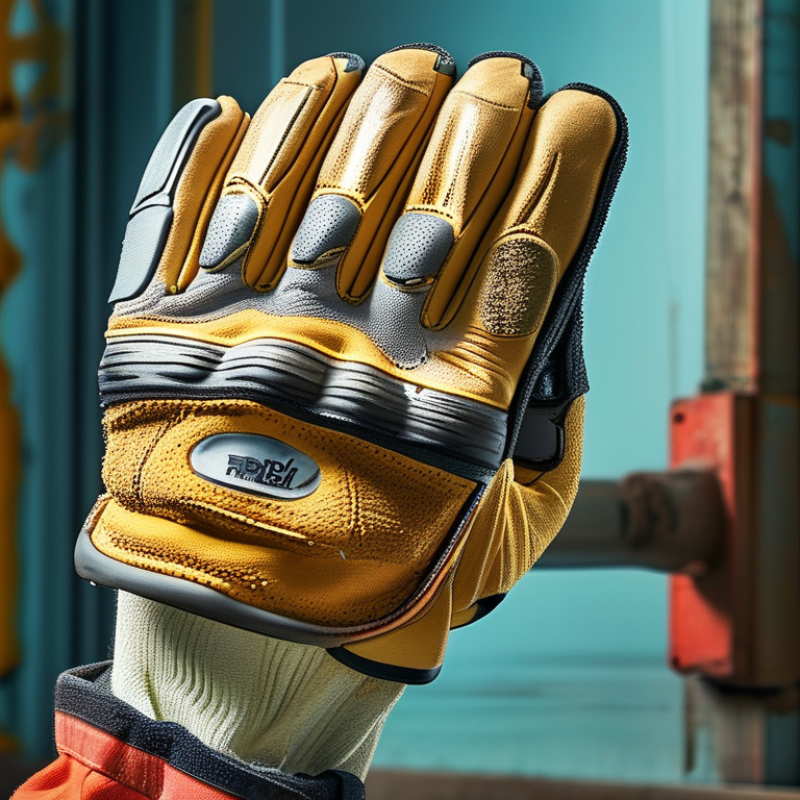
Top Features to Consider in Anti-Vibration Gloves for Hand Protection
When selecting anti-vibration gloves, several key features matter for optimal hand protection. Vibration reduction is crucial. A report by the Health and Safety Executive indicates that prolonged exposure to vibrations can lead to Hand-Arm Vibration Syndrome (HAVS). This makes it essential to look for gloves with certified vibration attenuation ratings. Gloves with higher ratings provide better protection.
Material choice plays a significant role as well. Gloves made from high-durability materials can enhance grip and comfort. A study from the American National Standards Institute recommends gloves with a snug fit but enough flexibility to allow natural hand movement. This balance helps workers maintain dexterity without sacrificing protection.
Additionally, consider the glove's insulation properties. Proper insulation can protect against cold conditions, which can exacerbate vibration effects. A survey from the National Institute for Occupational Safety and Health found that workers in colder environments reported increased discomfort when using standard gloves. However, finding gloves that offer both warmth and vibration protection can be challenging. Employers often overlook this aspect, leading to potential discomfort and reduced productivity in their teams.
Top Anti-Vibration Gloves for Maximum Protection and Comfort
Understanding the Effects of Vibration on Hand Health: Statistics and Studies
Vibration exposure is a hidden health threat, particularly for those working with power tools. Studies show that continuous exposure can lead to Hand-Arm Vibration Syndrome (HAVS). Symptoms include numbness and pain, affecting various daily activities. Statistics indicate that about 1.4 million workers are at risk. This highlights the urgent need for protective measures.
Wearing the right anti-vibration gloves can significantly reduce these risks. These gloves absorb vibrations, protecting the hands better than traditional options. A well-fitting glove enhances comfort and grip, making it easier to handle tools. Regular breaks are also essential. Giving your hands time to recover helps prevent long-term damage.
Tips for selecting gloves: choose gloves designed for your specific tasks. Check for compliance with safety standards. Make sure the gloves fit snugly but allow for movement. Lastly, consider integrating exercises and stretches into your routine. Keeping your hands strong aids in mitigation.
Material Composition: Evaluating the Best Fabrics for Vibration Absorption
Vibration exposure is a significant concern for workers in various industries. Studies indicate that prolonged exposure can lead to conditions such as Hand-Arm Vibration Syndrome (HAVS). Effective anti-vibration gloves can mitigate these risks, but their material composition plays a crucial role in performance. Fabrics designed for vibration absorption must provide both protection and comfort.
Experts recommend materials like neoprene and natural rubber for their excellent vibration-dampening properties. Neoprene offers flexibility and is resistant to wear, making it ideal for prolonged use. Natural rubber, on the other hand, has shown a capacity to absorb significant vibrations, particularly in high-frequency environments. According to a report from the International Journal of Industrial Ergonomics, gloves with multi-layered padding can reduce vibration exposure up to 70%. This enhancement is vital for maintaining hand dexterity, which is often compromised with heavier options.
However, not all gloves are created equal. Some materials may sacrifice tactile sensitivity for increased protection. This trade-off can lead to decreased operational efficiency. A study by the European Agency for Safety and Health at Work found that workers often report discomfort with overly protective gloves in high-detail tasks. Therefore, it's essential for manufacturers to strike a balance between absorption and usability.
Performance Standards: Key Certifications for Anti-Vibration Gloves
When selecting anti-vibration gloves, understanding performance standards is crucial. Key certifications indicate the gloves' protective capabilities. The ISO 10819 is prominent. It measures vibration transmission through gloves. This standard ensures that gloves effectively reduce vibration to the hand. It is essential for the safety of workers who handle vibrating tools.
Another significant certification is EN 388. This standard focuses on cut resistance and abrasion. It assesses how well gloves withstand various risks. Many users overlook this aspect. Comfort and protection should not be mutually exclusive. A balance must be struck to ensure long-lasting ergonomic design.
Identifying certified gloves means trusting established testing methods. These methods confirm the gloves' reliability. However, not all gloves meet these standards adequately. Users often choose gloves based on brand perception rather than thorough evaluations. This could lead to inadequate protection. Exploring different models and getting feedback from experienced users can make a difference. Consider the real-life conditions where gloves will be used to ensure appropriate selection.
Top Brands and Models: Comparative Analysis and Expert Recommendations
When choosing anti-vibration gloves, performance and comfort are crucial. A study by the International Journal of Industrial Ergonomics revealed that prolonged exposure to vibrations can lead to Hand-Arm Vibration Syndrome (HAVS). This highlights the need for effective glove options.
Not all gloves are created equal. Some models use advanced materials, while others focus on ergonomic design. For example, gloves with high-density foam can dampen vibrations effectively. Research shows that gloves with a grip rating of at least 0.5 provide more safety and reduce the risk of slippage. Consider these factors when evaluating different options.
Comfort is subjective. One model may be excellent for one user but irritating for another. Factors like fit, breathability, and dexterity play critical roles in user satisfaction. A recent industry report indicated that nearly 30% of workers found discomfort negatively affected their productivity. Proper testing is vital to find the right balance between protection and comfort. User feedback is often overlooked but essential for improvement.

 '
'
