Top Cat Antiseptic Wipes for Global Pet Buyers
Cat Antiseptic Wipes are becoming practical tools for international pet buyers seeking cleaner, safer daily routines. The American Pet Products Association’s 2025 State of the Industry report shows sustained spending on companion-animal care in the United States. Its ownership research also confirms that millions of households live with cats. Demand is real. Product quality still varies.
Grand View Research identifies pet grooming and hygiene as expanding categories within the global pet-care market. However, “antiseptic” should not mean harsh or heavily perfumed. A wipe touching a cat’s paws, coat, or skin must suit feline sensitivities. Ingredients, pH balance, moisture level, packaging, and usage directions deserve close attention. Some products look convenient but leave a sticky film. That detail matters around litter dust and food bowls.
Dr. Jane Brunt, DVM, a feline-practice specialist, reminds caregivers, “Cats are experts at hiding illness.” This warning fits wipe selection. Cleaning can support hygiene, but it cannot replace veterinary diagnosis. Redness, swelling, odor, hair loss, or repeated licking needs professional assessment.
This guide compares Top Cat Antiseptic Wipes for Global Pet Buyers using practical criteria. We examine ingredient transparency, testing claims, packaging integrity, and suitability for frequent handling. We also consider regional labeling expectations, because international availability does not guarantee identical standards everywhere. A product may be popular and still imperfect. That is worth admitting.
The best Cat Antiseptic Wipes should be gentle, clearly labeled, and easy to use. Buyers should check the intended body area before opening the pack. Cats notice the smallest residue.
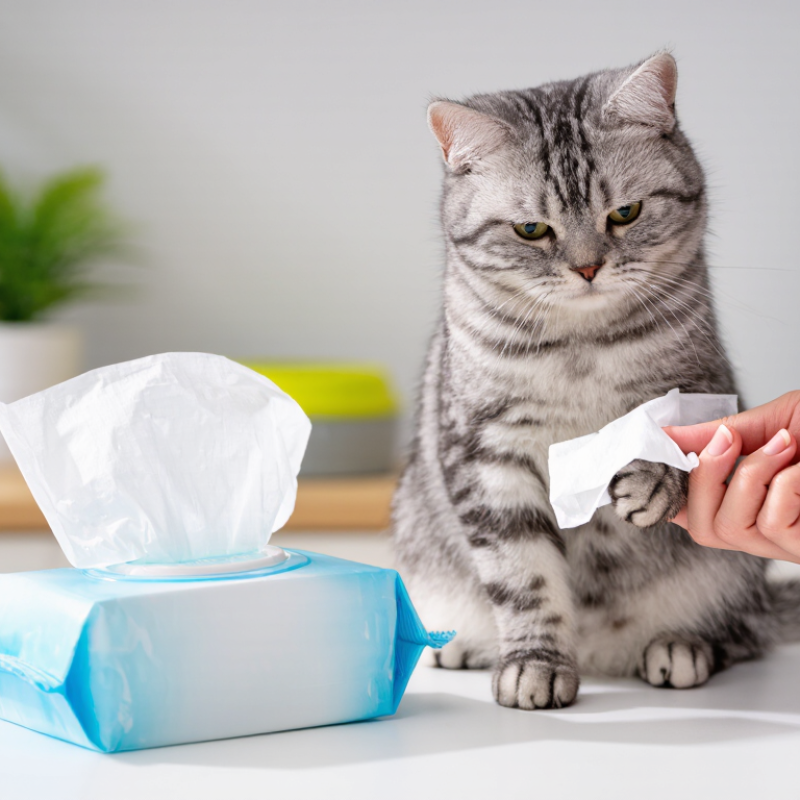
What Cat Antiseptic Wipes Are and How They Work
Top Cat Antiseptic Wipes for Global Pet Buyers
What Cat Antiseptic Wipes Are and How They Work
Cat antiseptic wipes are soft, pre-moistened cloths designed for small areas of skin, paws, or fur. They usually contain a carefully measured antiseptic solution that helps reduce surface bacteria and other microbes. The wipe also lifts dirt, saliva, and discharge through gentle friction. It does not sterilize tissue or replace treatment for infection. Clean packaging, a clear ingredient list, an expiry date, and a sealed pack matter when comparing products across markets.
Use one fresh wipe for each affected area. Wipe slowly, especially between toes, where grit can hide. Keep the solution away from eyes, the mouth, deep wounds, and irritated mucous membranes. Cats groom often. Residue may be swallowed, so choose products labeled for cats and follow the stated contact time. Stop if redness, swelling, pain, or repeated licking develops. Veterinary advice is appropriate when a wound smells, bleeds, or fails to improve.
Tips: Test a small healthy skin area first. Do not scrub hard. Let the area air-dry unless the label says otherwise. Buyers should check storage temperatures, local instructions, and whether the seal is intact. Some wipes feel convenient but dry too quickly. I would question their real value. That small detail is easy to miss.
How to Choose Wipes for Different Cat Cleaning Needs
Choosing the best cat antiseptic wipes starts with the cleaning task, not the package claim. For paws after a muddy walk, select soft, unscented wipes with clear directions and a mild formula. Check each ingredient list carefully. Cats lick their paws, so residue matters. For small skin areas, use veterinary-approved antiseptic wipes and follow the stated contact time. Do not use them near eyes, inside ears, or on deep wounds unless a veterinarian advises it.
Different areas need different handling. Eye discharge usually needs sterile saline and a separate soft pad for each eye. Facial folds require gentle wiping and careful drying. Coat cleaning may need a grooming wipe rather than an antiseptic product. A rough texture can irritate delicate skin. I once focused too much on “strong” cleaning and overlooked how quickly a cat became uncomfortable. That was a useful mistake.
Look for sealed packaging, an expiry date, batch information, and instructions in a language you understand. This matters when buying across borders. Confirm the wipe size, moisture level, and storage requirements before ordering large quantities. A small trial pack is safer. Stop use if redness, swelling, repeated licking, or breathing changes appear, and seek veterinary advice. Even experienced owners can misjudge a minor skin problem. Wipes support routine care; they do not replace diagnosis.
Top Cat Antiseptic Wipes for Global Pet Buyers: How to Choose Wipes for Different Cat Cleaning Needs
Cats have different cleaning needs across the eyes, paws, coat, ears, and sanitary area. The chart shows a practical weekly cleaning frequency guide to help buyers choose gentle, fragrance-free, alcohol-free wipes for routine care.
Routine frequency varies by age, coat type, outdoor exposure, and health condition. Use wipes only on external areas, avoid the eyes and ear canals, and consult a veterinarian for persistent discharge, odor, redness, or skin irritation.
Proper Application Methods for Safe and Effective Use
Top Cat Antiseptic Wipes for Global Pet Buyers
Proper Application Methods for Safe and Effective Use
Choose antiseptic wipes made specifically for cats, and read the directions carefully. Formulas differ, so “safe for pets” does not mean safe for every wound. Check the expiry date and inspect the packaging before use. Wash your hands, then gently restrain your cat in a calm, well-lit area. A towel can provide comfort without pressing the injured skin.
Wipe away visible dirt with a clean, damp cloth if needed. Use one antiseptic wipe for one small area. Move from the center outward with gentle strokes. Do not scrub, squeeze, or repeatedly rub irritated skin. Keep the wipe away from the eyes, mouth, nose, and inner ears. Never apply it to deep wounds, severe burns, or heavily bleeding injuries without veterinary guidance. Let the area air-dry. Prevent licking until the skin is dry, since ingestion may cause problems.
Observe the skin for redness, swelling, heat, discharge, or increased pain. Stop using the product if these signs appear. A mild sting may occur, but persistent discomfort deserves professional advice. This method is not foolproof. Cats can hide pain, and a small puncture may become infected beneath the surface. I would avoid guessing when the injury looks worse than a superficial scratch. Store the wipes sealed and away from heat. Use a fresh wipe each time, even when the package still looks clean.
Global Buying Factors: Quality, Packaging, and Regulations
For global pet buyers, antiseptic wipes should be judged by tested quality, not attractive claims. APPA’s 2025 State of the Industry report valued U.S. pet spending at $152 billion in 2024. That scale raises expectations for safe, reliable hygiene products. I would request material certificates, pH results, liquid-retention data, and skin-compatibility evidence. Wipes should feel moist, but not dripping. They should tear cleanly, without leaving fibers around paws or skin folds.
Packaging needs equal attention. The OECD Global Plastics Outlook reports that packaging created about 40% of global plastic waste in 2019. A resealable pouch helps prevent drying, while a clear batch code supports recalls and quality checks. Buyers should also inspect seal strength, transport testing, and storage instructions. Small details matter. A beautiful pouch can still fail after three weeks in a hot warehouse. I would prefer practical packaging over decorative layers, although recyclable materials may sometimes reduce moisture protection.
Regulatory review must follow the destination market. In the European Union, products making antimicrobial claims may fall under the Biocidal Products Regulation, Regulation (EU) 528/2012. In the United States, certain germ-killing claims can involve FIFRA requirements. Buyers should verify approved claims, ingredient disclosure, safety directions, and local-language labeling before import. Veterinary or laboratory evidence strengthens credibility. One weakness in my own checklist is focusing too heavily on documents; real-world wipe performance still needs testing on different coat types, paw sizes, and climates. Claims should remain modest, specific, and supported.

 '
