China Top E-Vape Cig Manufacturers for Global Buyers?
China remains a major manufacturing hub for the global E-Vape Cig supply chain. Its factories offer advanced vapor hardware, flexible production, and competitive private-label services. However, low pricing alone cannot identify a reliable partner.
The Global State of Tobacco Harm Reduction reported approximately 114 million vapers worldwide in 2023. That figure shows market scale, but it does not guarantee safe or legal growth. The World Health Organization warns that e-cigarette emissions may contain nicotine and other harmful substances. Buyers must therefore examine product safety, laboratory testing, traceability, and market-specific compliance.
Dr. Konstantinos Farsalinos, a cardiovascular researcher and tobacco-harm-reduction specialist, has stated, “Electronic cigarettes are by far less harmful than tobacco cigarettes.” He has also emphasized that they are not risk-free. This distinction matters when evaluating Chinese manufacturers and their marketing claims.
The strongest suppliers can provide batch records, ingredient disclosures, quality certificates, and consistent device testing. Look for ISO 9001 systems, documented quality controls, child-resistant packaging where required, and clear age-restriction procedures. European buyers should review applicable TPD requirements. United States buyers need to assess FDA authorization and regulatory obligations. Other markets may impose different rules.
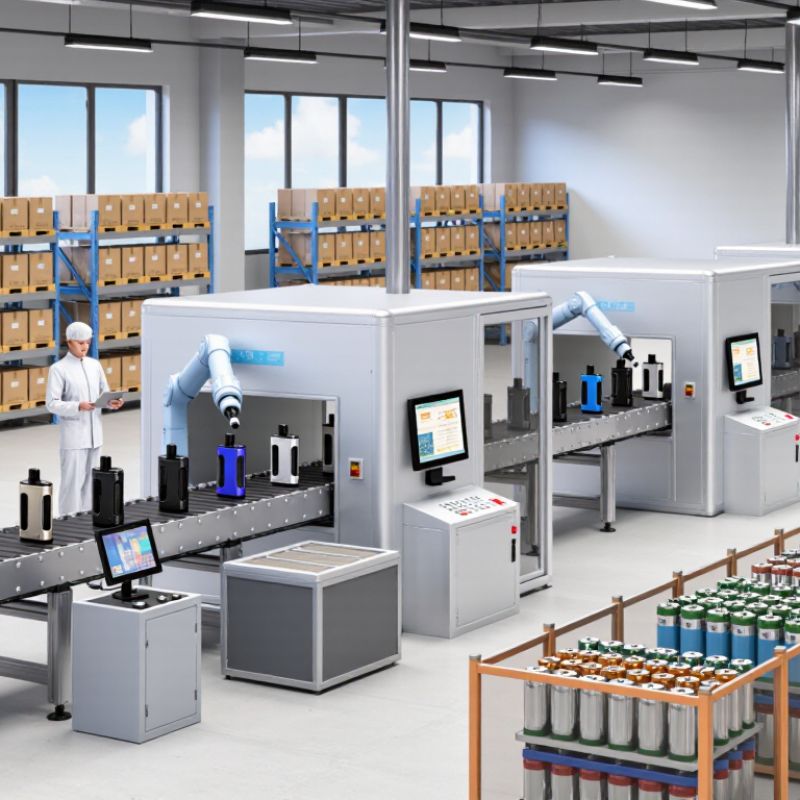
Factory visits can reveal practical details. Inspect clean assembly areas, sealed cartons, battery testing stations, and real-time quality logs. Ask how rejected units are isolated. Ask again.
Some manufacturers present impressive certificates but weak documentation trails. That is a warning, not a minor gap. This guide compares China’s leading E-Vape Cig manufacturers through product consistency, compliance readiness, production experience, export capability, and buyer support. No ranking should replace independent due diligence.
China’s Role in the Global E-Vape Manufacturing Industry
China Top E-Vape Cig Manufacturers for Global Buyers?
China plays a central role in the global e-vape manufacturing industry. Its production network connects battery suppliers, hardware makers, packaging factories, and testing services. This structure helps manufacturers develop devices quickly and control production costs. Many factories also offer OEM and ODM support for overseas buyers. The best partners provide clear specifications, stable components, and documented quality procedures. Price alone is a weak purchasing signal.
Experienced buyers should examine battery protection, heating consistency, material safety, leak resistance, and batch traceability. Reliable manufacturers can explain their inspection process without hiding behind vague promises. They should also support testing for the destination market’s requirements. Quality can still vary. A polished sample may not represent every production batch. That gap deserves attention.
Tips: Request samples from different production dates. Ask for test records, material declarations, and factory audit evidence. Confirm packaging details and warning information before mass production. Use independent laboratory testing when the product carries safety concerns. Keep communication records, because small design changes can affect performance. A low quotation may look attractive, but unclear after-sales responsibility can create higher costs later.
Key Criteria for Selecting a Chinese E-Vape Manufacturer
Selecting a Chinese e-vape manufacturer requires more than comparing prices. In supplier audits, I look for clear production records, stable processes, and trained quality teams. The factory should explain its materials, assembly steps, and inspection standards without hesitation. Ask for recent test reports covering batteries, charging safety, leakage resistance, and product consistency. Test it twice.
Regulatory readiness is equally important. A reliable manufacturer can identify destination-market requirements, packaging rules, age controls, and required documentation. Buyers should verify whether the factory maintains traceability from components to finished units. Batch codes, retained samples, and inspection photographs make later investigations far easier. Certifications can help, but they should be checked with the issuing organization. A logo on a document proves very little.
Visit the facility when possible, or arrange an independent audit. Observe clean work areas, controlled storage, calibration labels, and how rejected units are handled. Review sample quality across several production batches, not only one attractive prototype. Communication also matters; delayed answers often become delayed shipments. No factory is perfect. I once underestimated the importance of after-sales procedures, and a small packaging issue created avoidable returns. Define defect thresholds, replacement terms, delivery schedules, and payment milestones in writing. A careful manufacturer may challenge your specifications, which can reveal useful engineering judgment rather than poor cooperation.
Leading E-Vape Manufacturing Regions and Factory Capabilities
China’s e-vape manufacturing network is concentrated in several industrial regions. Shenzhen is known for product development, electronics integration, and rapid prototyping. Dongguan offers strong machining, injection molding, assembly, and packaging support. Other coastal clusters provide specialized components, testing services, and supply-chain coordination.
Factory capabilities differ considerably. Mature facilities may operate clean assembly rooms, automated inspection lines, and controlled material storage. Some maintain ISO-based quality systems and documented batch records. Reliable suppliers should provide component traceability, production samples, electrical safety tests, and destination-market compliance files. Testing should cover battery protection, charging performance, leakage resistance, and packaging accuracy. Small details matter.
A polished showroom proves little. That is an easy mistake. Buyers should inspect production records, calibration dates, worker training, and corrective-action reports. A capable factory can explain failure rates without hiding them. It should also support private labeling, stable component sourcing, and flexible order quantities where legally permitted. Regional advantages are useful, but they do not replace verification. One weakness remains: supplier information can change quickly, so independent audits and fresh samples are still necessary. Products must be designed, marketed, and sold only in markets where they are legally allowed.
Quality, Compliance, and Product Testing for Global Markets
China’s leading e-vape manufacturers should serve global buyers through verified quality systems, not attractive catalogs alone. A reliable supplier can explain its production controls, testing scope, and market-specific compliance process. Buyers should request factory audit records, material declarations, batch numbers, and recent laboratory reports.
Product testing needs practical detail. Each device should undergo leak checks, charging safety tests, airflow inspection, and storage trials. Battery protection must be evaluated under abnormal conditions. Components that contact the e-liquid should have suitable material documentation. Aerosol testing may assess emissions, consistency, and restricted substances, depending on the destination market. Independent laboratories can provide stronger evidence than internal reports alone.
Compliance is never a one-time certificate. Requirements differ across countries and may change without much warning. A capable manufacturer keeps technical files, packaging records, and traceability data for every production batch. Samples should match mass production, not only the first prototype. That sounds obvious, but it is often where problems begin. Buyers should also verify age-gating, labeling, recycling information, and advertising restrictions before shipment.
No supplier is flawless. A missed artwork revision or incomplete test record can delay an otherwise strong order. Good manufacturers admit gaps, correct them, and document the correction. Global buyers need that honesty, supported by repeat testing and clear communication. Quality is not a promise on a webpage. It is evidence collected before, during, and after production.
Export Processes, Costs, and Buyer Evaluation Steps
China’s e-vape manufacturing sector serves many regulated markets, but export success depends on careful preparation. Buyers should confirm the product category, destination rules, labeling duties, and age-control requirements before placing an order. A compliant factory should provide business licenses, production records, material specifications, and recent independent laboratory reports.
The export process usually begins with a product brief and sample approval. Then come contract terms, quality standards, packaging checks, customs documents, and shipment booking. Clarify the HS code with a qualified customs adviser. Costs may include samples, tooling, testing, packaging, freight, insurance, duties, and destination registration. Small orders often carry higher unit costs. Freight estimates can also change quickly.
Ask for a factory audit before accepting attractive pricing. Check whether batch numbers connect to inspection records and raw-material certificates. Request a video walkthrough, but do not treat it as full proof. An on-site audit is stronger. Compare several samples under the same conditions, including leakage, battery performance, labeling accuracy, and package durability. Keep written acceptance limits in the purchase contract. A spreadsheet may look complete while hiding gaps. No checklist is perfect. Independent verification still matters.

 '
