What Are the Top 10 Freeze Dried Raw Dog Food Brands?

Freeze Dried Raw Dog Food has moved from a specialist choice into a visible part of premium pet nutrition. APPA’s 2024 State of the Industry Report valued the U.S. pet market at approximately $152 billion. That spending growth encourages wider product selection, but it also makes careful comparison more important. Bigger shelves do not automatically mean better food.

This guide examines ten leading brands through practical, evidence-informed criteria. We consider ingredient transparency, complete-and-balanced claims, protein sources, calorie information, manufacturing standards, recall history, and customer support. AAFCO nutritional profiles provide an important reference point for judging whether a recipe is suitable for long-term feeding. The FDA also warns that raw pet food can carry pathogens, including Salmonella and Listeria, even after freeze-drying. Handling matters. Clean bowls matter too.

Market reports from Grand View Research describe continued growth in freeze-dried pet food, although estimates differ because companies and researchers define the category differently. That uncertainty deserves attention. No ranking is perfect. Some brands publish extensive testing records, while others offer limited public detail. Therefore, this list does not treat marketing language as proof. It looks for verifiable information, realistic feeding guidance, and responsible manufacturing practices. Pet owners should still ask a veterinarian before changing diets, especially for puppies, seniors, pregnant dogs, or animals with medical conditions. A shiny bag cannot replace individualized nutritional advice.
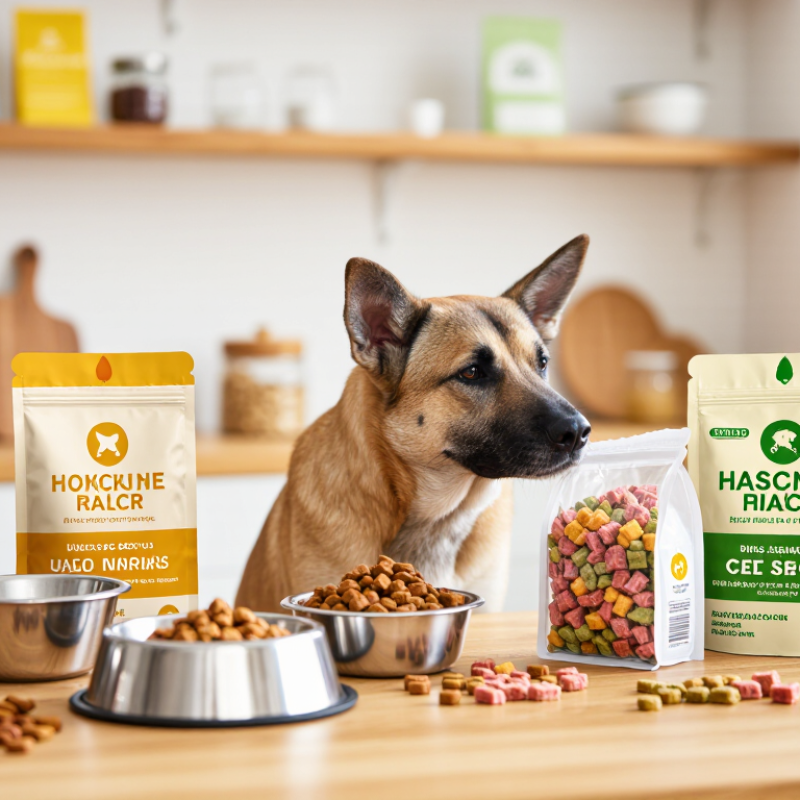
What Are the Top 10 Freeze Dried Raw Dog Food Brands?

What Is Freeze-Dried Raw Dog Food and How Is It Made?

Freeze-dried raw dog food starts with uncooked animal ingredients, such as muscle meat, organs, and ground bone. Some formulas also include vegetables, oils, or measured supplements. The mixture is portioned into small pieces before processing. This helps each serving contain a more consistent nutrient balance.

Manufacturers freeze the food at very low temperatures, then place it in a vacuum chamber. The frozen water changes directly into vapor, leaving a dry, lightweight product. This process is called sublimation. It preserves much of the food’s original shape and smell without ordinary heat cooking. However, freeze-drying does not guarantee the removal of every harmful microorganism. That point is easy to overlook.

Reliable producers should document ingredient sourcing, batch testing, and sanitation controls. Look for clear feeding directions and a nutritional adequacy statement suited to your dog’s life stage.

A veterinary nutritionist can help assess homemade-style formulas, especially for puppies or dogs with medical conditions. I would also inspect the package for broken seals, unusual odors, or damp pieces. Small details matter.

Rehydrate each portion with clean water when the label recommends it. Use a separate bowl and wash your hands after handling the food. Refrigerate leftovers promptly, and avoid leaving rehydrated food at room temperature for long periods. Storage instructions can differ between products. That deserves a careful reading, not a quick guess.

What Criteria Identify the Top Freeze-Dried Raw Dog Food Brands?

The top freeze-dried raw dog food brands should be judged by evidence, not attractive packaging. AAFCO nutrient profiles provide a useful baseline for “complete and balanced” claims, but they do not certify individual products. Look for a clear life-stage statement, feeding directions, calorie information, and complete nutrient analysis. Vague wording is a warning sign.

Safety deserves equal weight. In an FDA analysis of 196 raw pet food samples, 15 tested positive for Salmonella and 32 contained Listeria monocytogenes. The results were not limited to freeze-dried foods, but they show why processing claims need scrutiny. Strong manufacturers explain pathogen-control steps, batch testing, recall procedures, and laboratory documentation. Ask for a certificate of analysis. It should identify the batch, test method, and date.

Ingredient sourcing should be traceable to suppliers and processing facilities. A reliable product lists organ meats, bone content, and supplements with practical precision. It should also provide storage instructions that match real homes: dry crumbs near a sink, open bags, and warm kitchens. Rehydration guidance matters. So does packaging that limits moisture and oxygen exposure.

Experience reveals small problems. Some foods look premium yet crumble heavily, waste easily, or provide confusing scoop sizes. That does not automatically make them poor choices. It does require reflection. Independent reviews can describe usability, but they cannot replace veterinary nutrition expertise, transparent testing, or properly supported nutritional claims.

What Are the Top 10 Freeze-Dried Raw Dog Food Brands?

What Criteria Identify the Top Freeze-Dried Raw Dog Food Brands?

No. Evaluation Criterion What to Verify Why It Matters Suggested Rating
1 Nutritional Adequacy Look for a clear statement that the food is complete and balanced for a stated life stage under an established canine nutrition standard, such as AAFCO nutrient profiles or feeding-trial substantiation. Helps confirm that the diet is intended to provide essential nutrients rather than function only as a treat or topper. Required for regular feeding
2 Transparent Ingredient Profile Check whether animal proteins, organs, bones or calcium sources, produce, fats, supplements, and potential allergens are individually listed with clear descriptions. Makes it easier to assess ingredient quality, dietary suitability, and possible sensitivities. No vague “meat derivative” wording
3 Pathogen-Control Program Confirm that the manufacturer explains sanitation, environmental monitoring, pathogen testing, and corrective actions for organisms such as Salmonella, E. coli, and Listeria. Raw animal ingredients can carry food-safety risks for dogs and people handling the food. Documented, ongoing controls
4 Validated Freeze-Drying Process Review whether the process is described as controlled and validated, including moisture or water-activity targets, batch monitoring, and protection against recontamination after drying. Freeze-drying removes moisture but does not automatically eliminate every pathogen. Process details publicly available
5 Independent Quality Testing Prefer products supported by finished-product testing or certificates of analysis covering nutrients, moisture, microbiological safety, and relevant contaminants. Testing can identify formulation or contamination problems that may not be visible from the label. Recent batch-level evidence
6 Ingredient Sourcing and Traceability Check whether suppliers, ingredient origins, lot codes, production dates, and distribution records can be traced through the manufacturing system. Traceability supports targeted investigations and faster responses if a safety issue occurs. Lot-level traceability
7 Accurate Guaranteed Analysis Review the guaranteed analysis for crude protein, crude fat, crude fiber, and moisture, and compare products on a dry-matter basis when appropriate. Moisture differences can make direct comparisons between products misleading. Complete and easy to interpret
8 Safe Handling Instructions Look for clear directions covering handwashing, bowl and surface cleaning, storage, rehydration, thawing if applicable, and disposal of leftovers. Good handling practices reduce cross-contamination in the household. Detailed consumer guidance
9 Responsible Feeding Guidance Check for calorie information, feeding amounts by body weight, life-stage limitations, transition instructions, and advice for puppies, seniors, pregnant dogs, or dogs with medical conditions. Portion and life-stage guidance helps prevent underfeeding, overfeeding, and inappropriate use. Specific, practical instructions
10 Recall History and Customer Support Review publicly available recall notices, complaint-response procedures, contact information, and the company’s ability to provide lot-specific product information. Open communication and prompt response are important indicators of accountability and consumer protection. Responsive and transparent support
Important: A freeze-dried product should not be judged by ingredient names alone. Dogs with medical conditions, weakened immune systems, or special nutritional needs should be evaluated by a veterinarian before being fed a raw diet.

Which Ten Freeze-Dried Raw Dog Food Brands Stand Out?

Which ten freeze-dried raw dog food brands stand out? The strongest options usually share practical qualities, not flashy packaging. I look for clearly named animal proteins, visible ingredient proportions, and a complete nutritional statement. The ten most convincing brands provide batch details, sourcing information, and feeding guidance based on a dog’s weight. Some also offer smaller trial bags, which helps owners avoid wasting money on food their dogs reject.

Texture matters at home. Good nuggets rehydrate evenly, without turning into a gray paste. A clean, mild smell is also reassuring. I prefer products with independent testing for pathogens and nutritional consistency. That detail does not guarantee perfection, though. Freeze-drying reduces moisture, but it does not make raw food risk-free. Wash bowls and hands, use clean utensils, and refrigerate leftovers promptly. A veterinarian should review the diet when a dog is young, elderly, pregnant, or medically fragile.

My own evaluation has changed over time. I once valued exotic proteins too highly and overlooked simple feeding instructions. That was a mistake. A reliable brand should make daily portions easy to measure and explain whether the food meets recognized complete-and-balanced standards. It should also disclose calories per cup or ounce. The best choices balance ingredient transparency, safety controls, palatability, and realistic cost. Some dogs still refuse them. That matters. Dietary quality means little if the bowl remains untouched.

What Are the Top 10 Freeze-Dried Raw Dog Food Brands?

Which Ten Freeze-Dried Raw Dog Food Brands Stand Out?

Food-safety testing is an important factor when comparing freeze-dried raw dog food products. In a study of 196 raw pet food samples, Salmonella was detected in 7.7% of samples and Listeria monocytogenes in 16.3%. These findings do not rank individual brands, but they highlight why buyers should review pathogen-testing policies, handling instructions, ingredient transparency, and nutritional adequacy when evaluating products.

Source: Joffe et al., “Salmonella and Listeria monocytogenes in raw pet food,” Journal of Food Protection.

How Do the Top Brands Compare in Ingredients, Nutrition, and Price?

What Are the Top 10 Freeze Dried Raw Dog Food Brands?

How Do the Top Brands Compare in Ingredients, Nutrition, and Price?

Comparing ten leading freeze-dried raw dog food brands requires more than reading the front label. I look for named animal proteins, visible organ meats, and clear ingredient quantities. Chicken, beef, turkey, and fish commonly appear as primary proteins. Some recipes also include pumpkin, spinach, or blueberries. These additions may support variety, but they should not distract from balanced nutrition. Labels matter.

Nutritional quality varies widely. A complete-and-balanced statement is important, but calorie density matters too. Freeze-dried food contains little moisture, so a small scoop can provide substantial energy. I compare protein, fat, fiber, calcium, and phosphorus on a dry-matter basis. This prevents misleading comparisons between dry food and rehydrated meals. Veterinary nutrition guidance remains valuable, especially for puppies, seniors, or dogs with medical needs. “Raw” does not automatically mean superior.

Price comparisons can be surprisingly uneven. A larger pouch may look cheaper, yet feeding instructions can require several scoops daily. I calculate cost per 1,000 calories, not cost per package. Rehydration also changes the serving size. A twelve-ounce bag may become several bowls of food, but not always enough for a large dog. My own comparison was not perfectly tidy; serving charts differed, and some calorie data needed closer checking. That uncertainty deserves attention. Safety and storage instructions should also influence value, because convenience has a practical cost.

What Safety and Feeding Guidelines Should Dog Owners Follow?

Freeze-dried raw dog food can be convenient, but freeze-drying does not reliably destroy harmful bacteria. Salmonella and Listeria may remain in contaminated food. Handle each scoop as carefully as raw meat.

Wash your hands, bowls, and preparation surfaces with hot, soapy water. Keep the package sealed and store it in a cool, dry place. Follow the label’s storage period after opening.

When uncertain, discard it.

Check for a nutritional adequacy statement, such as complete and balanced for your dog’s life stage. Puppies, pregnant dogs, older dogs, and pets with weakened immune systems may need different nutrients.

Ask a veterinarian before feeding raw diets to these dogs. Weigh portions with a kitchen scale, then adjust them according to body condition, stool quality, and daily activity.

My first assumption was that a higher-protein food always meant better nutrition. It does not. Ingredient lists alone cannot prove balance or safety.

Tips: Rehydrate with clean water if directed. Feed on a washable mat. Do not leave rehydrated food at room temperature for long.

Separate raw meals from children’s food. Transition gradually over seven to ten days.

Watch for vomiting, diarrhea, fever, unusual tiredness, or refusal to eat. Contact a veterinarian if symptoms continue.

Keep the original packaging for batch details and feeding instructions. Never add supplements without professional advice.

'