Top 10 Liner Plate Materials for Global Buyers
Choosing the right liner plate can protect equipment, stabilize production, and reduce costly shutdowns. However, no single material performs perfectly in every mill, chute, hopper, or crusher. The best Liner Plate Material depends on impact energy, abrasive conditions, temperature, moisture, and maintenance practices.
This guide introduces ten widely used liner plate materials for global buyers. It compares wear resistance, toughness, weldability, service life, and purchasing considerations. Common options include manganese steel, chromium carbide overlay, high-chrome white iron, and engineered rubber. Each material has a different failure pattern. Some resist sliding abrasion well but crack under heavy impact. Others absorb impact effectively but wear faster in dry, highly abrasive applications.
Practical selection should begin with operating evidence, not attractive catalogue claims. Review feed size, drop height, material hardness, liner thickness, and replacement records. Ask suppliers for chemical composition, hardness ranges, test methods, and traceable quality documents. Site measurements also matter. A liner that fits poorly can fail around bolts, seams, or unsupported edges.
Real-world experience often reveals uncomfortable details. Laboratory hardness does not always predict field performance. A premium plate may underperform when installation is careless or the design is unsuitable. This article offers a reliable starting point, not a universal verdict. Buyers should verify recommendations through trials, inspection data, and clear supplier communication. Small details matter.
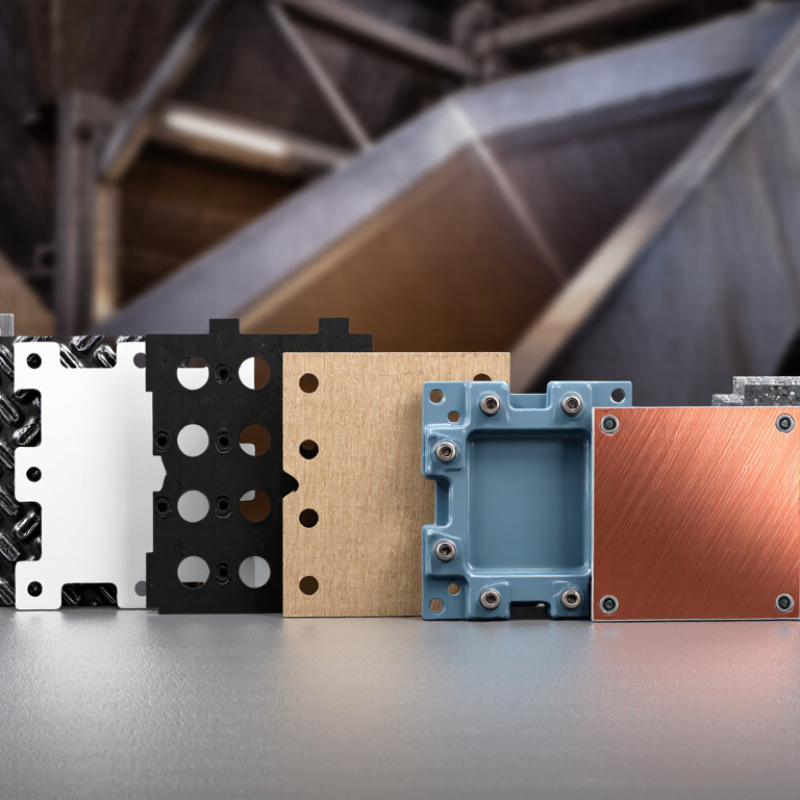
Liner Plate Materials: Purpose, Functions, and Main Performance Factors
A liner plate is the working shield inside equipment. It absorbs impact, reduces abrasion, and protects the shell from costly damage. In mills, crushers, chutes, and silos, its role changes with material flow. Impact is not the same as sliding wear. That difference matters. A plate that survives falling rocks may fail under fine, abrasive particles.
Material selection starts with the duty, not a catalog label. Engineers review feed size, hardness, moisture, temperature, speed, and impact energy. High-chrome alloy suits severe abrasion, while manganese steel can handle repeated impact and work hardening. Rubber controls noise and absorbs shock, but heat and sharp edges can limit it. Ceramic inserts resist aggressive wear, though brittle sections need careful support. Polyurethane fits lighter-duty zones where flexibility and low noise matter. The best choice balances hardness, toughness, thickness, fastening, and replacement access.
Field experience often exposes gaps in laboratory comparisons. A wet feed may carry fine particles into bolt joints. Poor contact can create movement, local heating, and premature cracking. Inspect the wear profile, not only the remaining thickness. Measure it regularly. Records should connect plate life with operating changes and maintenance quality. There is no universal winner. Even a strong material can disappoint when installation, alignment, or feed conditions are ignored. I would also question optimistic service-life estimates; real plants rarely operate under stable conditions.
Top 10 Liner Plate Materials and Their Distinctive Properties
Top 10 Liner Plate Materials and Their Distinctive Properties
Selecting liner plate materials starts with wear conditions, not popularity. Manganese steel hardens under impact and suits rock crushers. Chromium carbide overlay resists severe sliding abrasion with a welded, hard surface. Ni-hard cast iron offers strong abrasion resistance but can crack under heavy impact. High-chromium white iron performs well in wet, abrasive slurry. Abrasion-resistant steel combines toughness with practical fabrication. Stainless steel adds corrosion resistance where moisture and chemicals are present. Rubber liners reduce noise and absorb impact. Polyurethane liners are lighter and resist abrasion in fine-particle service. Alumina ceramic provides exceptional hardness but needs careful support. Basalt cast liners resist abrasion and heat, although machining is difficult.
The World Steel Association reported about 1.89 billion tonnes of crude steel production in 2023. That scale supports steel’s global availability and repair infrastructure. The USGS Mineral Commodity Summaries 2024 also identified chromium and manganese as major inputs for metallurgical applications. These figures matter because supply stability affects replacement planning. It is a practical detail, often overlooked.
ASTM G65 abrasion testing can compare material loss under controlled dry-sand conditions. Field results still vary with moisture, impact angle, particle size, and bolt stress. No material wins every duty. A useful warning: a harder liner may fail sooner if impact toughness is ignored. My inspection experience suggests checking worn edges, loose fasteners, and liner thickness before choosing a replacement. The best selection remains application-specific, measurable, and slightly cautious.
Material Selection by Application, Wear Conditions, and Operating Environment
Top 10 Liner Plate Materials for Global Buyers
Material choice should follow the application, not a sales catalogue. Abrasion-resistant steel suits dry sliding wear in chutes, hoppers, and transfer points. Manganese steel performs better under repeated impact, especially in crushers. Chromium carbide overlay handles severe gouging but may crack under heavy shock. Ceramic, rubber, and polyurethane liners reduce noise and protect against fine, abrasive particles. Stainless steel becomes more practical when moisture, chemicals, or contamination risks increase.
The scale of demand is significant. The U.S. Geological Survey reported global cement production near 4.1 billion metric tons in 2023. The World Steel Association recorded about 1.89 billion tons of crude steel production that year. These volumes expose liners to different wear patterns, from sharp ore impacts to continuous sliding dust. Temperature also matters. Heat can reduce polymer strength, while low temperatures may increase brittleness in some metals. No material is perfect.
Tips: Measure impact energy, particle size, moisture, temperature, and liner thickness before ordering. Use ASTM G65 testing for dry abrasive wear comparisons. For impact applications, request verified Charpy or similar toughness data. Inspect bolt holes and panel edges, not only the center surface. Field records often reveal more than laboratory rankings. Review the choice after three months; operating conditions may have been misunderstood.

 '
