Best Wearable Smart Watch Manufacturers in China

China has become a major base for wearable design and production, but choosing a Wearable Smart Watch manufacturer takes more than comparing prices or product photos. IDC’s Worldwide Quarterly Wearable Device Tracker reported 506.7 million wearable-device shipments worldwide in 2023, down 0.9% year over year. That figure covers multiple wearable categories, not smartwatches alone. The distinction matters. Shipment volume does not prove product quality.

For buyers and product teams, the details are tangible: sensor consistency during a brisk walk, readable text in bright sunlight, and a clasp that stays secure through daily use. Check the manufacturer’s testing process, component traceability, software support, and ability to meet your specifications. Ask for samples and test them yourself. A polished catalogue is not enough.

“The future of health is on your wrist,” said Jeff Williams, Apple’s chief operating officer, when discussing the Apple Watch’s health potential. That vision helps explain why reliability and usable data matter as much as appearance. China’s supplier ecosystem can offer broad choices, from custom designs to established production lines. Still, no factory is the right fit by default. A clear brief, verifiable quality records, and careful sample testing can reveal gaps that a sales presentation may hide. Some claims may sound convincing; they deserve a closer look.
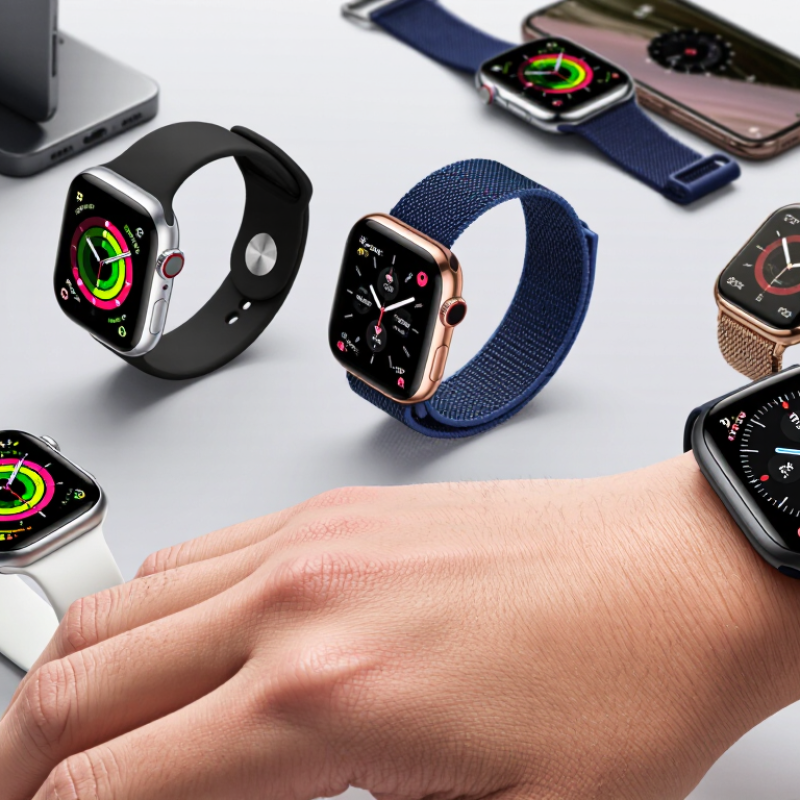
Best Wearable Smart Watch Manufacturers in China

Market Scope: IDC Recorded 504.1M Global Wearable Shipments in 2023

IDC recorded 504.1 million global wearable shipments in 2023, placing China’s smartwatch manufacturing sector within a much larger market. Shipments are not the same as active users, and the total includes wearables beyond smartwatches. That distinction matters. The figure signals substantial industry activity, but it does not show that every product category grew equally or that demand will stay steady. For buyers, it is useful context, not a purchasing forecast.

Assess manufacturers alongside that market scale. Look for model-specific production capacity, component traceability, battery test records, water-resistance procedures, software update support, and clear quality-control checks. Ask how a supplier handles a failed display batch or inconsistent sensor readings, not only how many units it can produce. Details count. A sample may look polished on a desk yet reveal little about performance after repeated charging, sweat exposure, or daily strap adjustments. Request dated test reports and clarify whether testing was internal or independent. These checks cannot remove every risk; specifications may still change between sample approval and mass production. That gap deserves an honest conversation.

China’s Manufacturer Landscape: Brand Owners, ODMs, and OEM Specialists

China’s smartwatch manufacturing landscape includes brand owners, original design manufacturers, and original equipment manufacturers. Their roles can overlap, but each begins from a different point. Brand owners shape product positioning, user experience, and sales channels, then coordinate production partners. ODMs often offer established hardware platforms that buyers can adapt through casing, interface, packaging, or feature choices. This may shorten development, though customization can be limited by the existing design.

OEM specialists generally build to a customer’s approved design and technical specifications. Their work may include board assembly, display integration, strap fitting, firmware loading, and final inspection. On a factory visit, ask to review incoming component checks, water-resistance test records, battery aging logs, and sample traceability. A polished sample is not enough. Compare several pilot units for screen brightness, sensor consistency, charging behavior, and app connection.

Sourcing teams should clarify who manages firmware updates, tooling, and failure analysis after delivery. Check production capacity against the real order schedule, not a broad brochure claim. Ask how changes to sensors or battery suppliers are reported. Some suppliers combine ODM and OEM work, so labels alone can mislead. The distinction is not always clean. A low quote may leave out the cost of new tooling after a small enclosure change. Put tolerances, acceptance criteria, and change control in writing before mass production.

China’s Wearable Smart Watch Manufacturer Landscape

Typical core responsibilities across brand owners, ODMs, and OEM specialists

This role map shows common responsibility patterns, not market share or company counts. Actual responsibilities vary by supplier, product, and contract.

Leading Chinese Smartwatch Makers: Huawei, Xiaomi, imoo, and Zepp Health

China’s smartwatch sector combines broad electronics expertise with focused wearable design. One major manufacturer brings strong mobile connectivity and polished operating systems. Another competes through affordable devices and a wide product ecosystem. A specialist targets children with location and calling features. A health-focused maker emphasizes activity tracking and sports data. These profiles show why “best” depends on the buyer, not just the specification sheet.

IDC reported that global wearable-device shipments reached 538.9 million units in 2024, up 6.1% year over year. This figure covers wearables broadly, not smartwatches alone, so it should not be read as smartwatch market share. For buyers and sourcing teams, practical checks matter: test GPS accuracy on a real route, inspect screen readability outdoors, and confirm how long software updates are expected. Strong battery claims can vary sharply with cellular use and frequent workouts. That detail is easy to overlook.

Tips: Compare independent test results, warranty terms, and app compatibility before choosing. Ask for update commitments in writing. A neat demo is not the whole story.

Manufacturing Benchmarks: Compare Sensors, Software, Testing, and Certifications

For buyers comparing smartwatch manufacturers in China, the useful benchmark is evidence, not a long sensor list. IDC’s Worldwide Quarterly Wearable Device Tracker recorded 534.6 million wearable-device shipments in 2024, up 6.1% year over year. That scale raises the stakes for consistent production. Ask how heart-rate and motion sensors are checked against reference equipment, across different wrist sizes, skin tones, and movement conditions. Small gaps matter. A single controlled test rarely represents a full day of wear.

Software deserves the same scrutiny. Request sample logs showing battery use, sensor dropouts, and reconnection behavior during daily testing. Check how firmware updates are validated across device versions, and how long security fixes are supported. A clean demo is not enough. Ask to see repeat-test results from production units, not only engineering samples. One caveat: polished lab results can hide messy real-world performance, especially during exercise or poor wireless connectivity.

Testing and certification records should name the product, test method, date, and laboratory. ISO/IEC 17025 accreditation can help assess a lab’s testing competence, while IEC 62368-1 addresses product safety for relevant electronic equipment. Requirements vary by destination market and product claims. For skin-contact materials, request relevant material-safety evidence. Compare reports with the exact watch configuration being sourced; small component changes can make old documents less useful.

Supplier Selection: Assess R&D, Production Capacity, MOQ, and Export Readiness

A reliable smartwatch supplier should explain how product ideas become tested units, not just show polished samples.

Ask for evidence of in-house engineering, firmware development, and sensor calibration. Request a sample test report and details about battery, screen, and casing checks. Ask for evidence. A capable team should describe how it handles design changes and recurring defects.

Factory capacity matters too: compare stated monthly output with line numbers, shift patterns, and recent production records. A polished sample can still hide inconsistent assembly across a large order.

Check the minimum order quantity against your launch plan and budget. Ask whether the MOQ changes for custom colors, packaging, or firmware, and confirm the cost of a pilot run.

Export readiness includes clear packing lists, product specifications, shipping experience, and prompt answers about destination-market requirements. Confirm who prepares each document and when it will be available.

No checklist removes every risk. A spreadsheet can make suppliers look comparable, but unanswered questions matter; request written clarifications before committing to tooling or a production deposit.

'