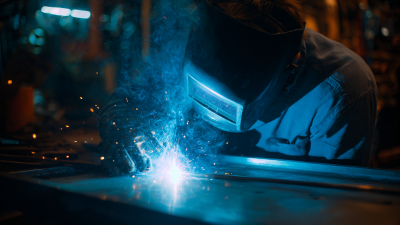
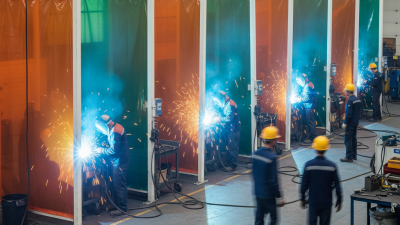
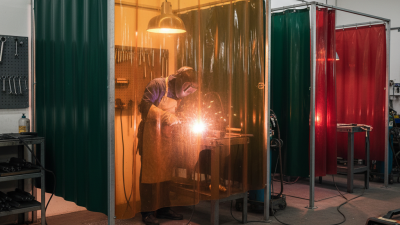
Welding safety is crucial in any workspace. One essential tool for ensuring safety is welding screens. These screens protect workers from harmful sparks and UV rays during welding processes. They create a barrier, promoting a safe environment.
Choosing the right welding screens can significantly impact workspace efficiency. Different types of screens cater to various needs and settings. Some are portable, while others offer more extensive coverage. It's vital to select screens that match your specific requirements.
However, not all welding screens are created equal. Some may lack durability or proper visibility. Evaluating the features of each option will help in making an informed decision. By investing in quality welding screens, one can enhance both safety and productivity. A thoughtful choice reflects a commitment to a safer workplace.
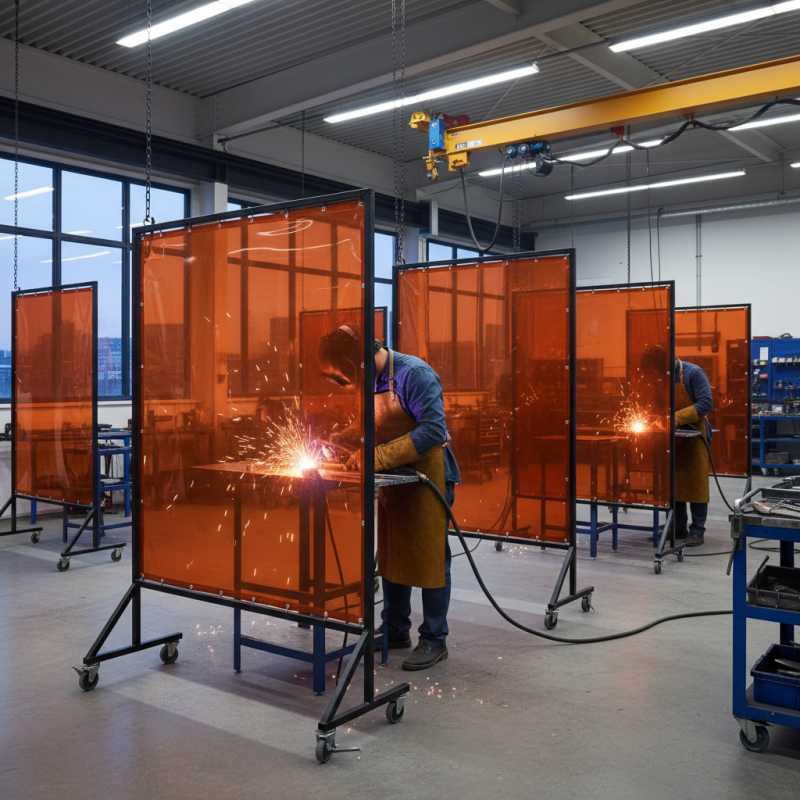
Welding screens play a crucial role in ensuring workplace safety. They protect workers from harmful UV rays and sparks generated during welding. According to a report from the American Welding Society, around 40% of welding-related injuries are due to exposure to these hazards. A simple yet effective screen can mitigate these risks significantly.
Tip: Always select screens made from high-quality, flame-retardant materials. This ensures they can withstand intense heat while providing adequate visibility to the work area.
Proper installation of welding screens is equally important. Misplaced screens may create blind spots that can lead to accidents. Workers should ensure that screens are set up to provide optimal protection while allowing airflow. Using adjustable screens may help cater to different workspace configurations.
Tip: Regularly inspect welding screens for signs of wear and tear. Damaged screens can compromise safety. Prioritizing routine checks helps maintain a secure environment for all workers involved.
Creating a safe welding environment requires attention to detail. Investing in effective welding screens is a proactive step toward enhancing safety and efficiency in your workspace.
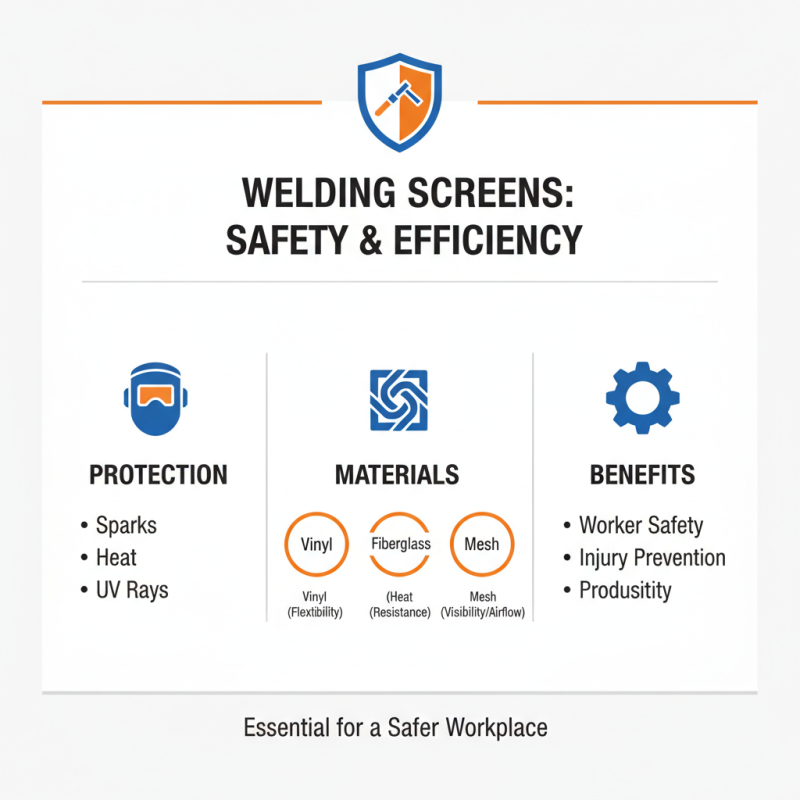
Welding screens are vital for maintaining safety and efficiency. They protect workers from sparks, heat, and ultraviolet rays. Different types of screens are available based on materials and design options. Common materials used include vinyl, fiberglass, and mesh. Each offers unique benefits and drawbacks.
Vinyl screens are durable and easy to clean. However, they can become brittle over time. On the other hand, fiberglass screens are lightweight and resistant to high temperatures. The downside is they may not block as much light as vinyl. Mesh screens offer good visibility but provide less protection from sparks.
Tips: Evaluate your workspace. Consider how often you weld and what materials are used. This helps in choosing the right screen. Install screens properly to maximize protection. Check for tears or wear regularly. Torn screens compromise safety and create hazards. Don't overlook this essential part of your setup.
When choosing welding screens, safety and visibility are paramount. Effective filters should block harmful UV and IR radiation. Studies indicate that nearly 90% of welding injuries arise from inadequate shielding. Quality screens must comply with safety standards to ensure proper protection.
Material selection is crucial. Screens made from flame-resistant materials offer durability. Transparent options allow for monitoring without compromising safety. In busy workspaces, lightweight, movable options enhance efficiency. According to industry reports, mobility can increase productivity by 20%.
Consider the screen’s height and width. An appropriate size prevents exposure to harmful sparks. Some environments may require additional features, like retractable designs. These options can save space and provide flexibility. Lack of attention to detail in screen selection can lead to safety risks. Choosing the right welding screens affects not only safety but overall workflow efficiency.
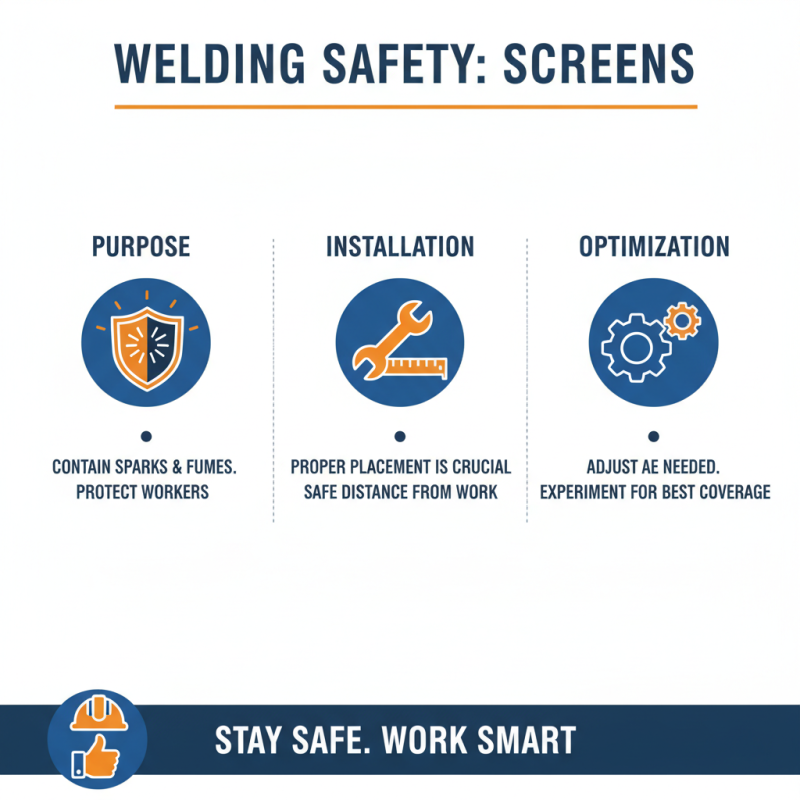
Welding screens are essential for workplace safety. They help contain sparks and fumes. Proper installation is crucial. Ensure screens are positioned at a safe distance from the work area. This can minimize risks to nearby workers. Every set-up may require adjustments. Experiment with placements to find what works best.
Regular maintenance keeps screens effective. Inspect them for damage or wear. Any tears can lead to hazards. Cleaning is just as important. Dust and dirt can obscure visibility. Use a gentle cleaning solution. Frequent checks can prevent issues. Remember, neglecting maintenance can be costly.
Consider the environment when using welding screens. Position them to block drafts and improve stability. However, sometimes, they may not perform as expected. Reflection or glare might occur in certain lighting. Adjust or reposition your screens to counteract these problems. Keep an open mind for improvements.
When selecting welding screens, efficiency and safety should be top priorities. Various options are available, each offering unique features. Some screens provide excellent visibility, while others focus on heat and spark resistance. It's essential to evaluate what fits your workspace best.
The choice of welding screen impacts productivity. For instance, portable options allow for easy movement. Alternatively, rigid screens can provide better stability in windy conditions. However, not all screens are suited for every environment. Reflecting on your specific needs can lead to better decisions.
Visibility is crucial. Some screens may obscure your view of nearby workers. This can lead to safety hazards if communication is hindered. It's vital to find a balance between protection and visibility. Consider user feedback on comfort and effectiveness. A little experimentation could help you find the perfect fit for your workspace.
We now offer custom-made commercial vehicle tarps, along with the ability to design your own curtains, noise panels, and strip doors—tailored to your exact needs!
At Singer Safety, we specialize in manufacturing high-performance tarps engineered to safely secure and protect your vehicle loads during transport.