Why You Need Welding Screens for a Safer Work Environment
In the realm of welding, safety should always be the foremost priority on the job site. According to the Occupational Safety and Health Administration (OSHA), more than 500,000 workers are exposed to hazards related to welding operations each year, with injuries often resulting from the intense heat, sparks, and harmful radiation generated during the process. To mitigate these risks, the implementation of protective measures such as welding screens becomes essential.
Welding screens serve a critical role in creating a safer work environment by safeguarding nearby workers and bystanders from potential dangers, particularly harmful ultraviolet (UV) and infrared (IR) radiation emitted during welding. A report from the American National Standards Institute (ANSI) highlights that unprotected exposure to welding arcs can lead to serious eye damage and skin burns, reinforcing the necessity for effective barriers. Additionally, these screens help prevent combustible materials from igniting, as sparks and spatter can easily ignite fires in industrial settings.
Investing in high-quality welding screens not only ensures compliance with safety regulations but also fosters a culture of safety within the workplace. As the welding industry continues to evolve, prioritizing safety through practical solutions like welding screens is a proactive approach that can significantly reduce the incidence of accidents and injuries.
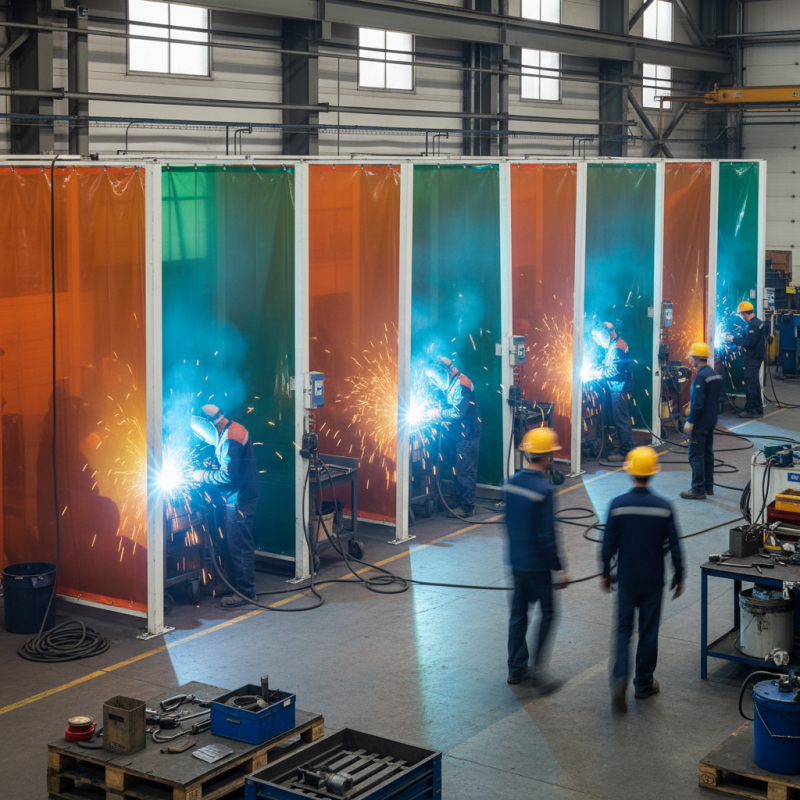
Importance of Welding Screens in Industrial Safety
Welding screens play a critical role in ensuring safety within industrial environments, particularly in spaces where welding operations take place. According to the American National Standards Institute (ANSI), direct exposure to welding arcs can result in serious eye injuries, as the ultraviolet and infrared radiation emitted during welding can cause burns and permanent damage.
The presence of welding screens effectively minimizes these risks by creating protective barriers that prevent unauthorized personnel from entering and reducing glare from the welding area.
Furthermore, a report from the Occupational Safety and Health Administration (OSHA) emphasizes that injuries related to eye exposure in welding situations can lead to significant financial burdens, estimating that eye injuries alone cost American industries around $300 million annually. Welding screens not only protect the eyes of nearby workers but also prevent the spread of sparks and molten metal, thus reducing the risk of fire hazards and contributing to a more controlled working environment.
Implementing these safety measures is not merely a best practice; it is essential for compliance with safety regulations and for fostering a culture of safety in industrial workplaces.
Types of Welding Screens Available in the Market
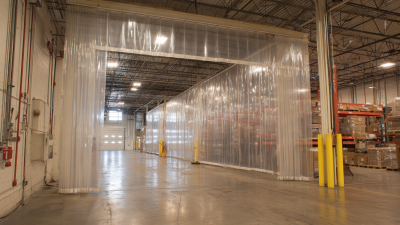
Welding screens are essential safety equipment in the manufacturing and construction industries, providing protection from harmful UV rays, sparks, and flying debris. There are several types of welding screens available in the market, each designed for specific needs and environments. The most common types include portable welding screens, frame-mounted screens, and retractable screens. Portable screens are typically lightweight and easy to move, allowing flexibility in various workspaces. Frame-mounted screens offer stability and can be fixed in position for long-term use, while retractable screens provide a convenient option for spaces that need frequent access without compromising safety.
When selecting a welding screen, it is crucial to consider factors such as material durability and heat resistance. For instance, screens made from PVC are often used due to their excellent clarity and ability to absorb UV radiation effectively. According to a report by the American Welding Society, proper use of welding screens can reduce the risk of eye injuries, highlighting the importance of investing in quality screens to enhance workplace safety.
Tips for ensuring safety with welding screens include regularly inspecting the screens for any wear or damage and ensuring they are properly deployed before starting any welding activities. Additionally, consider the screen's height and width to ensure complete coverage of the welding area, minimizing exposure to unwanted hazards. Investing in the right type of welding screen not only protects workers but also fosters a safer and more productive work environment.
Types of Welding Screens Available in the Market
Regulatory Standards for Using Welding Screens
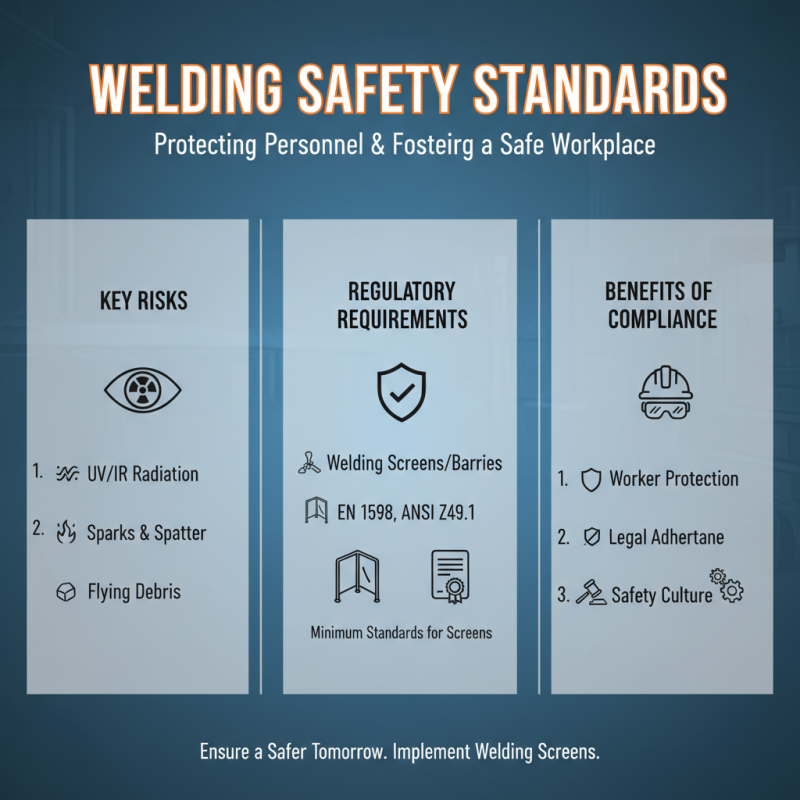
When working in environments where welding takes place, adherence to regulatory standards is crucial to ensure the safety of all personnel involved. Various regulatory bodies outline specific requirements for the use of welding screens to minimize the risks associated with welding processes. These standards are established to protect workers from harmful radiation, sparks, and flying debris that can occur during welding operations. Implementing welding screens not only complies with these regulations but also fosters a culture of safety within the workplace.
Welding screens are often designed to meet specific criteria set forth by occupational safety regulations, including the American National Standards Institute (ANSI) and the Occupational Safety and Health Administration (OSHA). These institutions emphasize the importance of using appropriate shielding to protect employees who are not directly engaged in welding activities. By utilizing screens that are rated for blocking intense light and preventing exposure to hazardous fumes and particles, employers can significantly reduce the likelihood of workplace accidents and health issues. Regular inspections and maintenance of these screens are also mandated to ensure they remain effective and functional, thereby reinforcing the commitment to a safe working environment.
Best Practices for Properly Using Welding Screens
Welding screens are crucial in providing a safer work environment by shielding workers and bystanders from harmful sparks, heat, and ultraviolet radiation produced during the welding process. To maximize the effectiveness of welding screens, it’s essential to implement best practices for their usage.
One key practice is to ensure that welding screens are properly positioned. They should be set up in a way that directs any sparks away from people and flammable materials. Establishing a clear boundary with these screens not only protects individuals but also minimizes the risk of accidents in high-traffic areas. Additionally, regularly inspecting the screens for any damage or wear is vital. Damaged screens can diminish safety, making it imperative to address any issues promptly.
**Tips:** Always use screens that are appropriate for the specific type of welding being done. For instance, ensure that the material of the screen can withstand the heat generated during your processes. Another tip is to use multiple screens in conjunction with each other to create an enclosed work area, enhancing safety and visibility while working. Finally, involve your team in safety briefings to ensure that everyone understands the importance of proper screen usage and adheres to safety protocols.
Why You Need Welding Screens for a Safer Work Environment - Best Practices for Properly Using Welding Screens
| Dimension |
Description |
Importance |
| Material Type |
Common materials include vinyl, metal mesh, and flame-resistant materials. |
Choosing the right material can increase durability and protection. |
| Height |
Standard heights range from 6 to 8 feet. |
Tall screens prevent sparks and UV radiation from escaping. |
| Visibility |
Some screens offer clear visibility while blocking harmful rays. |
Maintaining visibility is crucial for safety and communication. |
| Mobility |
Screens can be stationary or portable. |
Portable screens offer flexibility in various work environments. |
| Flame Resistance Rating |
Rating indicating how well material resists ignition and burns. |
Higher ratings offer better protection against welding flames. |
| Installation Method |
Screens can be wall-mounted, free-standing, or suspended. |
Proper installation ensures effectiveness and stability. |
Maintenance and Care for Welding Screens
Welding screens provide crucial protection against sparks, molten metal, and harmful UV radiation during welding operations. However, to ensure their effectiveness and longevity, proper maintenance and care are essential.
Regularly inspect screens for damage such as tears or discoloration. Any defects can compromise safety and should be addressed immediately, either through repairs or replacements. Keeping screens clean is also vital; dirt and grime can obstruct visibility and reduce their protective capabilities.
Tip: Consider using a soft cloth and non-abrasive cleaner to wipe down your welding screens weekly. This routine maintenance will help preserve them and maintain clarity, ensuring your workspace remains safe and functional.
Additionally, storing welding screens correctly prolongs their lifespan. Folding or stacking them improperly can lead to creases or damage, so always store them flat, away from direct sunlight and harsh environmental conditions. Create a designated storage area to keep them organized and in good condition.
Tip: Invest in a storage rack to keep your welding screens off the ground and prevent accidental damage. This will make it easier to access them and help you maintain a clutter-free work environment.



 '
'
