Why Choose Wooden Furniture for Global Sourcing?

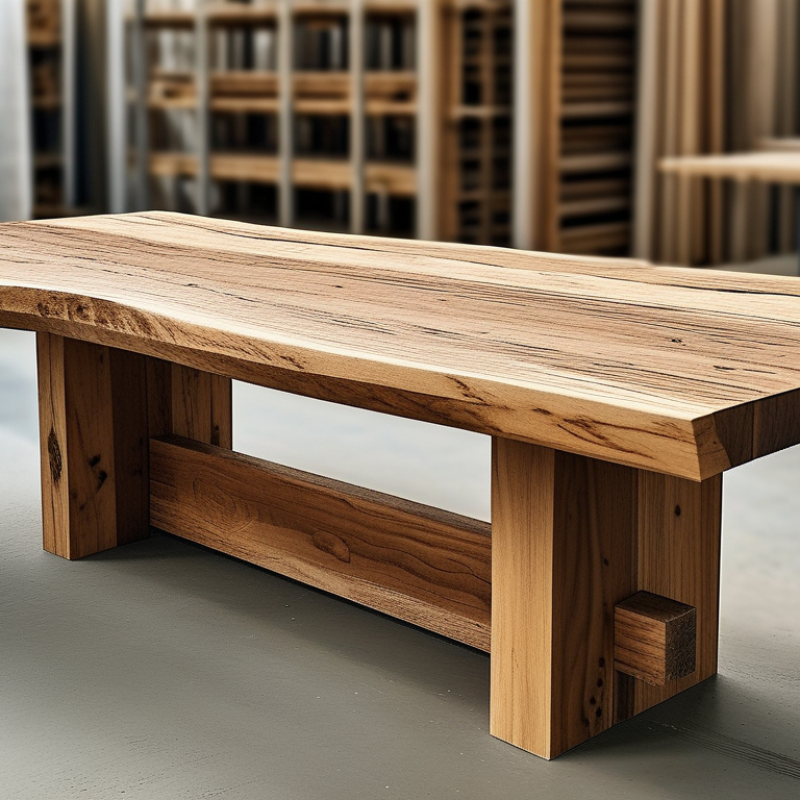
Wooden Furniture remains a strong choice for global sourcing because it combines durability, warmth, and adaptable design. A solid oak dining table can create a lasting impression, while engineered wood supports consistent production and competitive pricing. Buyers can select different grains, finishes, and construction methods for homes, hotels, offices, and retail spaces. The material also offers a tactile quality that metal and plastic rarely provide.

Responsible sourcing requires more than choosing an attractive wood species. Reliable suppliers should explain the timber’s origin, moisture content, treatment process, and production capacity. Certifications such as FSC or PEFC can support responsible forestry claims, but buyers should still verify documents and audit practices. Kiln-dried wood helps reduce warping during international shipping. Strong packaging protects corners, joints, and finished surfaces across long transport routes.

Details matter.

Global buyers should request samples before approving large orders. A sample may reveal uneven staining, weak drawer slides, or differences between catalog images and real products. Supplier communication, factory experience, quality inspections, and clear specifications improve purchasing reliability. However, no sourcing decision is perfect. A lower price may conceal inconsistent materials, while a premium product may not suit every market. Wood species also react differently to humidity, temperature, and storage conditions. Careful testing and honest evaluation help buyers balance cost, sustainability, appearance, and long-term performance. With the right supplier relationship, Wooden Furniture can become a dependable product category rather than a short-lived trend.

Why Choose Wooden Furniture for Global Sourcing?

What Wooden Furniture Means in Global Sourcing

Wooden furniture means more than a warm appearance in global sourcing. It represents a chain of decisions, from forest origin to final delivery. Buyers should request the wood species, country of harvest, moisture content, and treatment records. These details matter. They support legal compliance and reduce avoidable disputes.

A practical inspection often begins with the grain, joints, and surface finish. Uneven color may suggest natural variation, poor drying, or both. Moisture readings are especially important before shipment. Wood that leaves a humid region too quickly can shrink, split, or loosen after installation. Packaging also needs attention. Corner protection, ventilation, and dry storage can prevent damage during long transport.

Wooden furniture can also carry local skills and renewable material value. Yet “natural” does not automatically mean responsible. Sourcing teams should verify traceability, labor standards, and recognized forest documentation. Paperwork alone is not enough. Suppliers may provide complete files while factory controls remain weak. A site visit, production sample, and independent inspection create stronger evidence.

Cost comparisons can be misleading. A cheaper table may require more repairs, thicker packaging, or higher replacement rates. On the other hand, premium wood is not always the best choice. Design, durability, maintenance, and destination climate should guide the decision. Sometimes, the sourcing plan needs revision. That is normal. Reliable global sourcing improves through evidence, honest questions, and careful follow-up.

Why Choose Wooden Furniture for Global Sourcing? - What Wooden Furniture Means in Global Sourcing

Global Sourcing Dimension Relevant Wooden Furniture Data What the Data Means for Buyers Recommended Verification
Material renewability Wood is a renewable material when forests are managed responsibly and the harvesting rate does not exceed long-term forest regeneration. Wood can support a renewable-material sourcing strategy, but the material is not automatically sustainable simply because it is wood. Verify the timber species, country of harvest, legal origin, and credible chain-of-custody documentation.
Material composition Furniture may use solid wood, veneer, plywood, fiberboard, particleboard, metal hardware, coatings, adhesives, and upholstery in the same product. A product described as “wooden furniture” may have very different durability, repairability, emissions, and end-of-life characteristics. Request a bill of materials identifying solid wood, wood-based panels, finishes, adhesives, and non-wood components.
Moisture content Indoor furniture wood is commonly conditioned to approximately 6%–8% moisture content for temperate indoor environments; suitable levels vary by climate and destination. Correct moisture conditioning helps reduce shrinking, swelling, warping, joint opening, and surface cracking during international shipment and use. Specify the target moisture range for the destination climate and require documented moisture testing before packing.
Dimensional movement Wood expands and contracts mainly across the grain as its moisture content changes; movement is generally much lower along the grain. Panel direction, joint design, acclimatization, and protective packaging are important when furniture is shipped between different climates. Review construction drawings, panel orientation, joint tolerances, and destination-climate testing procedures.
Durability and repairability Solid wood components can often be sanded, refinished, repaired, or replaced. Actual service life depends on species, design, finish, loading, and maintenance. Repairable furniture can reduce replacement frequency and may offer better long-term value than products designed only for short-term use. Assess joint construction, replaceable hardware, finish repair instructions, load ratings, and availability of spare parts.
Wood-based panel performance Plywood, MDF, and particleboard provide consistent panels and efficient material utilization, but their performance depends on grade, density, adhesive system, and edge protection. Engineered wood can improve dimensional consistency and cost control, while exposed edges and moisture-sensitive cores require careful specification. Request panel type, thickness, density, formaldehyde class, moisture resistance, and test reports for the intended application.
Formaldehyde emissions For many wood-based panels used in indoor furniture, the European E1 reference limit under EN 717-1 is 0.124 mg/m³ chamber air. Low-emission panel selection is relevant to indoor air quality, especially for bedrooms, offices, schools, and other enclosed spaces. Check current laboratory test reports, applicable market regulations, panel grade, and production-batch traceability.
Carbon storage Wood contains biogenic carbon absorbed during tree growth. The stored carbon remains in the product while the product remains in use, although the complete climate impact also includes forestry, processing, transport, and end-of-life stages. Wood furniture can contribute to a lower-impact material strategy, but carbon claims should be based on a product life-cycle assessment rather than material choice alone. Request product-specific life-cycle data, a declared system boundary, transport assumptions, and end-of-life methodology.
Packaging efficiency Knock-down or flat-pack construction can reduce shipping volume compared with fully assembled furniture; the actual reduction depends on product design and packaging protection. Efficient packing can lower freight volume and improve container utilization, but insufficient protection may increase damage and product waste. Compare packed and assembled dimensions, cubic volume per unit, packaging materials, drop-test results, and damage rates.
International logistics Wood packaging materials used in international trade are generally subject to ISPM 15 treatment and marking requirements. Compliant pallets, crates, and wooden dunnage reduce the risk of customs delays, quarantine action, or re-export requirements. Verify the ISPM 15 mark on applicable solid-wood packaging and confirm destination-country import requirements.
Legal timber due diligence Timber-trade rules may require information about species, harvest country, supply-chain operators, and legality risk assessment. Requirements differ by destination market. Traceability is a commercial, regulatory, and reputational requirement in global sourcing—not only an environmental preference. Collect species names, harvest location, supplier declarations, import records, risk assessments, and legally required due-diligence documents.
Certification and responsible sourcing Forest-management and chain-of-custody certifications can provide independent evidence that certified material was managed and tracked under defined schemes. Certification can strengthen sourcing credibility, but certificate scope, product claim, material percentage, and validity must match the purchased furniture. Verify certificate validity, scope, claim wording, product identification, and chain-of-custody continuity.
Finish and chemical compliance Paints, stains, lacquers, adhesives, and surface treatments can affect emissions, durability, recyclability, and compliance with destination-market chemical restrictions. The finish may be as important as the wood species for indoor safety, appearance retention, and environmental performance. Request a finish specification, restricted-substance declaration, safety data where applicable, and coating-performance test results.
Quality-control priorities Key inspection points include dimensions, moisture content, wood defects, joint strength, surface finish, color consistency, odor, packaging, and labeling. A structured inspection plan helps convert the natural variability of wood into measurable acceptance criteria. Use approved samples, written tolerances, inspection levels, pre-shipment inspection, and photographic or laboratory records.
End-of-life potential Furniture with separable solid wood, panels, metal fittings, glass, and upholstery is easier to repair, reuse, refurbish, or sort than permanently bonded mixed-material furniture. Design for disassembly can improve circularity and reduce disposal costs at the end of the product’s first use. Review fastener selection, component labeling, repair instructions, replaceable parts, and disassembly time.

Data note: Values and benchmarks are general industry references. Actual specifications depend on wood species, panel grade, product design, destination climate, applicable regulations, and verified laboratory or supply-chain documentation.

Which Wood Types and Furniture Categories Are Commonly Sourced

Global sourcing often begins with the wood, not the silhouette. Oak remains popular for dining tables, cabinets, and bed frames because its grain feels substantial and machines predictably. Rubberwood offers a lighter color and stable supply from managed plantations. It works well for chairs, stools, and small household pieces. Acacia brings striking variation, from honey tones to dark streaks. Matching its panels requires extra attention. Pine is lighter, softer, and usually more economical. It suits shelving, casual tables, and painted furniture. It dents more easily.

Beech and ash are common choices for bentwood chairs, drawer parts, and durable frames. Walnut serves premium-looking tables, desks, and bedroom furniture, although its price and color consistency require careful planning. Teak is selected for outdoor seating and moisture-prone areas, but responsible sourcing and documentation matter greatly. Engineered wood, including plywood and medium-density fiberboard, supports wardrobes, office storage, and flat-pack furniture. It offers design flexibility, yet edge protection and formaldehyde controls should never be overlooked.

In practical sourcing work, wood type alone does not guarantee quality. Buyers should check moisture content, joint construction, surface finishing, and packaging performance. A beautiful sample may warp after shipping if drying was poorly managed. I have seen color differences become obvious across a large cabinet order. That mistake is easy to underestimate. Clear specifications, traceable materials, and pre-shipment inspections reduce such risks. Still, no checklist removes every uncertainty. Timber behaves differently across climates, and even experienced teams must leave room for testing and revision.

How Wooden Furniture Supports Sustainable Procurement Goals

Why Choose Wooden Furniture for Global Sourcing?

Wooden furniture can support sustainable procurement when buyers verify its full material story. Wood is renewable, but it is not automatically green. The Food and Agriculture Organization reported that global forest area declined by 178 million hectares between 1990 and 2020. Responsible sourcing therefore requires legal harvesting, documented origins, and credible forest-management evidence.

The paperwork matters. Procurement teams should request chain-of-custody records, recycled-content details, and supplier energy data. The OECD’s Global Material Resources Outlook to 2060 projects that global material use could nearly double without stronger efficiency measures. Wooden furniture can reduce this pressure when products are designed for long service, repair, and component replacement. A solid table with replaceable legs may stay useful for decades, unlike a low-cost item discarded after minor damage. Durability matters.

Manufacturers can also improve environmental performance through water-based finishes, efficient cutting plans, and panels made with recovered wood. However, every option has trade-offs. Recycled wood may contain hidden coatings, while engineered boards can improve yield but involve adhesives. Buyers should compare lifecycle data rather than trust attractive sustainability claims. The European Commission’s Product Environmental Footprint method encourages evidence-based assessment across production, transport, use, and disposal. In practice, supplier audits, sample inspections, and worker interviews reveal details that certificates may miss. Sustainable procurement is not perfect. It requires repeated checking, transparent records, and a willingness to revise purchasing decisions when evidence changes.

Why Choose Wooden Furniture for Global Sourcing?

How Wooden Furniture Supports Sustainable Procurement Goals

Global annual net forest loss declined from 7.8 million hectares per year in the 1990s to 4.7 million hectares per year in 2010–2020. Responsibly sourced wooden furniture can support sustainable procurement when buyers require legal and traceable timber, recycled content, durable design, and credible forest-management certification.

Source: Food and Agriculture Organization of the United Nations, Global Forest Resources Assessment 2020.

What Quality, Safety, and Compliance Standards Should Buyers Check

Why Choose Wooden Furniture for Global Sourcing?

Wooden furniture can offer warmth, repairability, and long service life, but buyers must verify more than appearance. Inspect kiln-dried boards for stable moisture content suited to the destination climate. Excess moisture may cause swelling, mold, or loose joints during shipping. A clear material specification should identify the wood species, panels, adhesives, coatings, and hardware. Traceable sourcing records also help confirm that timber was harvested through legal and responsible channels.

Safety checks should match the product’s use and market. Test chairs, tables, beds, and storage units for load strength, stability, sharp edges, and entrapment risks. Children’s furniture needs stricter attention to tip-over resistance and small detachable parts. Coatings and adhesives should meet applicable limits for formaldehyde, lead, and other restricted substances. Ask for recent reports from competent, independent laboratories, not only factory declarations.

Small details matter.

Compliance documents can look complete.

Buyers should review production samples, packaging, labels, inspection photos, and batch records together. A single perfect sample proves little if later batches use wetter wood or a different finish. Factory audits can examine moisture meters, sanding controls, ventilation, and corrective-action records. I have found that suppliers sometimes understand the standard but miss its testing method. That gap deserves a written checklist and follow-up inspection. Standards also vary by destination, so local regulatory advice remains necessary. A lower purchase price is rarely valuable when returns, recalls, or damaged stock follow.

How to Compare Suppliers, Costs, and International Supply Risks

Choosing wooden furniture for global sourcing requires more than comparing factory prices. Supplier quality starts with material control. Ask for the wood species, moisture range, kiln-drying records, and production tolerances. A 2% lower quotation may hide higher rejection rates, repair labor, or unstable packaging.

Compare landed cost, not unit cost. Include tooling, inspection, inland transport, ocean freight, insurance, duties, and payment fees. The World Bank’s Logistics Performance Index 2023 assesses customs, infrastructure, shipment reliability, tracking, and delivery timeliness. These factors directly affect inventory planning. UNCTAD reported that global maritime trade grew 2.4% in 2023, while geopolitical disruptions forced longer routes and increased freight uncertainty. Wooden furniture also needs careful humidity control. Warped panels can appear after arrival, not during factory inspection. That risk is easy to underestimate. I have seen attractive samples become expensive lessons.

Tips: Build a supplier scorecard with weighted criteria. Give quality and traceability more weight than price. Request three recent production references, batch photos, and independent pre-shipment inspections. Verify chain-of-custody documents where responsible sourcing matters. FAO’s Global Forest Resources Assessment 2020 estimates that forests cover 31% of global land, but forest resources are not equally managed. Ask how suppliers identify legal and sustainable sources. Test packaging for corner impact and moisture exposure. Keep a contingency supplier for critical components. Two factories may look sufficient, but both could depend on the same port or timber region. Diversification is useful only when the risks are genuinely different.

'