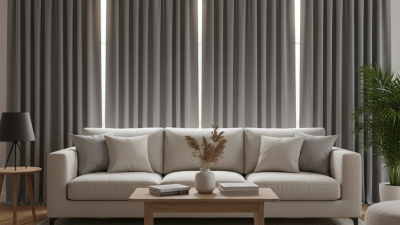
7 Best Sound Dampening Curtains for Noise Reduction

Street noise slips through a thin window. A neighbor’s television hums after dark. Sound dampening curtains can soften these everyday distractions, but they cannot make a room silent. Their performance depends on fabric weight, coverage, lining, and how closely the panels fit around the window.

Acoustics professor Trevor Cox is a recognized voice in the field of sound. A practical takeaway from his work is that soft materials can absorb some sound, while stopping noise often requires more than curtains. This is a paraphrase, not a direct quotation. That distinction matters. Marketing claims can promise more than a curtain can deliver.

This guide compares seven sound dampening curtains for noise reduction, looking at material, dimensions, installation, and value. We also consider how each option may suit a bedroom, home office, or street-facing living room. A dense, floor-length panel may reduce reflections and soften higher-pitched sounds. Gaps at the sides can still let noise enter. Small details count.

No single pick suits every window. That is worth remembering. Room layout, window construction, and the type of noise all affect results. The selections ahead offer practical starting points, not a substitute for professional acoustic treatment. Expect less disturbance, not perfect silence.
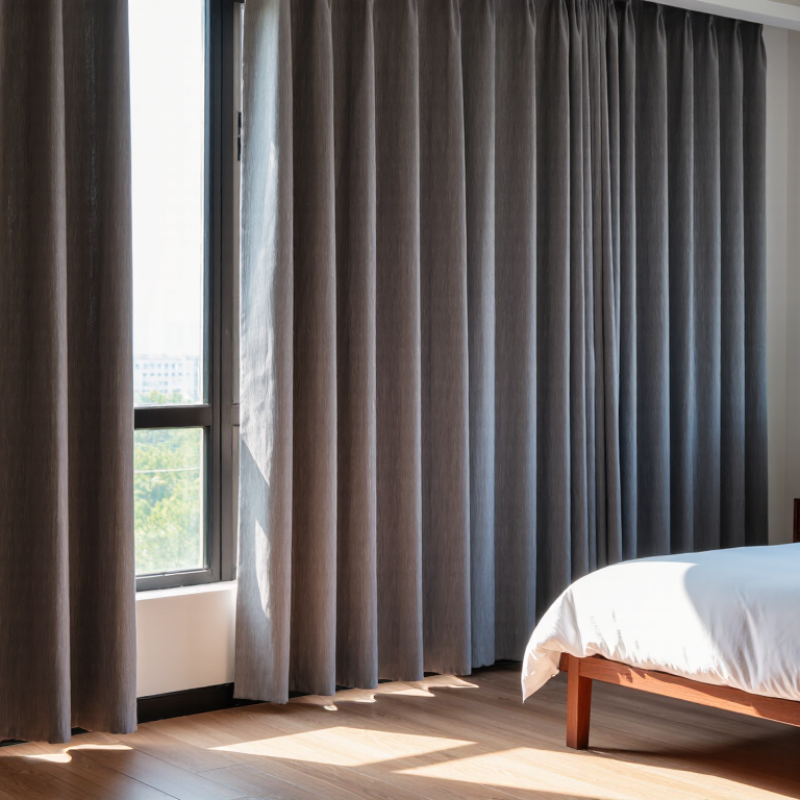
7 Best Sound Dampening Curtains for Noise Reduction

How Sound-Dampening Curtains Help Reduce Indoor Noise

Sound-dampening curtains can soften indoor noise, but they do not make a room soundproof. Their fabric absorbs some sound energy, especially sharper echoes that bounce between hard surfaces. A thick, tightly woven curtain may make a room feel calmer. The effect is usually modest. Low rumbles from traffic or construction can still pass through windows and walls.

Coverage matters as much as fabric. Choose panels that extend beyond the window frame and reach close to the floor. Extra width creates folds, adding more material to absorb sound. A ceiling-mounted track can reduce gaps above the curtains. Small openings still let sound through. For a practical check, listen from the same spot before and after hanging them; note changes in voices, traffic, and room echo. Results vary with window quality, room size, and the noise source, so one test may not tell the whole story.

Curtains work best as one layer in a quieter-room plan. Seal obvious window drafts, add a rug to a bare floor, and move a bookcase against a shared wall if space allows. These steps may reduce reflected sound, though they cannot fix every source. An imperfect setup can still help. Keep expectations realistic: curtains may soften noise, not erase it.

Key Features to Compare When Choosing Noise-Reducing Curtains

When comparing sound-dampening curtains, look beyond the “noise reduction” label. Fabric weight and weave matter: dense, tightly woven panels may soften higher-pitched sounds, while low traffic rumble can still pass through. Check the listed fabric weight, lining, and panel length.

Small gaps matter. Measure the window and allow enough width for overlapping folds; stretched panels can leave more space around the edges. A common mistake is choosing curtains by appearance alone. A thick-looking fabric may still be too narrow or lightweight to make much difference.

Compare the mounting options and everyday care, too. A ceiling track or wraparound rod can reduce gaps at the sides, but it will not create a sealed acoustic barrier. That distinction matters. Check whether the rod can support the curtain’s weight, and review washing instructions before buying.

Independent tests are more useful when they describe the window, installation, and noise being measured. Results vary. A decibel figure without context tells you little about how a curtain may perform in your room. If possible, try one window first and listen at similar times of day. Curtains are only one layer; some noise may remain, even when the room feels calmer.

Seven Sound-Dampening Curtains for Different Needs and Budgets

Sound-dampening curtains vary in price, weight, and everyday practicality. For a tight budget, dense polyester panels offer a simple first step, though thin fabric may do little against traffic. Triple-weave blackout curtains add privacy and reduce some incoming noise. They suit bedrooms where darkness matters, too. Short version: check the fabric weight.

For a softer, heavier option, velvet curtains can absorb some room reflections and soften the sound of conversation. Thermal-lined curtains help with drafts and may add another layer between a window and the room. Quilted acoustic-style panels are bulkier, so they work better in a media room than a small kitchen. Fit matters. Panels should extend beyond the window frame and reach close to the floor, without leaving large gaps.

Custom-fit curtains can cover unusually wide windows, but they often cost more. Curtains with published acoustic test details may help shoppers compare products, although results depend on the room and installation. No curtain makes a room soundproof. For a rental or a limited budget, start with the largest, heaviest panels you can comfortably hang, then listen at different times of day. An honest caveat: the change may feel modest if noise enters through walls, vents, or gaps around the frame.

Sound-Dampening Curtains: Common Noise Levels

Typical sound levels provide context when choosing curtains for a quieter room.

Sound levels are approximate and vary with distance and surroundings. Curtains can help soften sound and reduce reflections, but they do not block all outside noise.

How to Choose the Right Curtain Size and Material

Measure the track or rod, not just the window glass. For useful coverage, choose panels with a combined width about 1.5 to 2 times the track width, so folds remain when closed. Extend the rod beyond the frame and overlap the center edges; narrow gaps can let sound leak through. For length, bring the hem close to the floor without bunching. A small gap beneath the curtain may matter more than an extra layer of fabric.

Material matters, but fit matters too. Dense, lined or multilayer curtains can absorb some reflected sound, especially higher-pitched noise, but they will not seal a window or block every low rumble.

The WHO’s 2018 Environmental Noise Guidelines recommend keeping long-term outdoor night noise below 40 dB Lnight; that is an environmental guideline, not a promise of curtain performance.

Compare products only when test conditions and acoustic ratings are stated. In practice, I would check the window seals before spending more on heavier fabric. It is easy to overlook the frame. A curtain can soften a sharp echo, yet traffic may still come through the glass.

Installation and Care Tips for Improved Noise Reduction

Sound-dampening curtains work best when they cover more than the window glass. Measure the full opening, then choose panels wide enough to overlap in the middle and extend beyond the sides. Mount the rod or track close to the ceiling if possible; this helps limit gaps above the fabric. Let the curtains reach the floor, but keep them clear of heaters and vents. Small gaps matter. Curtains can soften outside noise, but they will not make a room soundproof. That distinction is easy to forget when shopping.

Tips: Check that the wall anchors and rod can support heavy fabric before hanging the panels. Close the curtains fully, then listen from different spots in the room. A narrow gap near the sill may still let in noticeable street noise. For care, follow the fabric’s cleaning label and use a soft brush or low-suction vacuum to remove dust. Check hooks and brackets occasionally, too. One thing to reconsider: adding another curtain layer may help, but it can make the window area bulky and harder to open. Don’t block airflow just to cover every gap.

7 Best Sound Dampening Curtains for Noise Reduction - Installation and Care Tips for Improved Noise Reduction

Curtains can help soften reflected sound and reduce some noise entering through a window, but they do not soundproof a room. Results depend on fabric mass, coverage, fit, window construction, and the type of noise; low-frequency sounds are especially difficult to block with curtains alone.

Curtain Type Best Use Noise-Reduction Potential Installation Tips Care Tips
Heavy velvet panels Bedrooms and living rooms where a substantial, lined curtain is suitable. Can absorb some room reflections and lessen higher-frequency sound; limited effect on deep bass and traffic rumble. Use a strong, securely fixed track or pole. Choose panels wide enough to overlap at the center and extend beyond the window frame. Check the care label before cleaning. Heavy velvet may require professional cleaning; brush gently to remove surface dust.
Multi-layer acoustic curtains Windows facing busy streets or other persistent outdoor noise. Multiple layers and greater fabric mass may improve sound absorption, but performance varies by construction and fit. Cover the full window area and minimize gaps at the sides and top. Make sure the hardware can support the curtain’s weight. Follow the manufacturer’s instructions; layered panels may be too bulky for a standard home washing machine.
Blackout curtains with a dense lining Rooms that need light control as well as some reduction of window-area noise. The lining can add mass and reduce some sound transmission, though blackout performance is not the same as a tested acoustic rating. Mount the track or pole above and beyond the frame where practical. Close the panels fully and overlap them at the center. Check whether the face fabric and lining have different cleaning requirements. Avoid high heat unless the care label allows it.
Thermal-backed curtains Windows where reducing drafts and heat transfer is also a priority. The backing may modestly help with sound, but thermal insulation does not guarantee substantial noise reduction. Hang close to the window and use a wraparound track or return brackets to reduce open gaps at the edges. Use the cleaning method stated on the label; some coated or backed fabrics can be damaged by machine washing.
Quilted or padded curtain panels Utility rooms, home studios, or other spaces where a thicker appearance is acceptable. Thicker, soft surfaces can absorb room reflections; they are not a substitute for sealing openings or adding sound-rated construction. Install on heavy-duty hardware and check that the wall or ceiling fixings are suitable for the panel’s weight. Vacuum gently with an upholstery attachment or follow the care label. Air thoroughly after cleaning so padding dries completely.
Wool-blend or other dense woven curtains Rooms where a natural-fiber look and a heavier drape are preferred. A dense, soft weave can help control reflections inside a room; outdoor-noise reduction depends on the complete window setup. Use full-length panels with generous width. Keep the fabric clear of heaters and follow local fire-safety guidance. Check fiber-specific instructions. Wool blends may need gentle cleaning or professional care to limit shrinkage.
Layered sheer and heavy curtains Spaces where flexible daylight control and a fuller window covering are useful. The heavy outer layer provides most of the sound-related benefit; the sheer layer adds little sound blocking on its own. Use a double track or pole. Close the heavier panels when noise reduction is needed and ensure they cover the window edges. Clean each layer according to its own care label. Remove lightweight sheers before washing heavier panels.
'