Choosing the right noise reducing curtains starts with understanding what they can actually do. These curtains can soften echoes, reduce outside noise, and make a room feel calmer. They cannot create complete silence. That expectation matters.
Professor Trevor Cox, an acoustics researcher at the University of Salford, has said, “Sound is part of our everyday environment.” His observation is useful here. Traffic rumbling through a window, voices in a hallway, or rain striking glass can all change how a room feels. The best noise reducing curtains respond to those specific conditions.
Look beyond dramatic product claims. Check the curtain’s weight, thickness, weave, lining, and coverage. Dense, floor-length fabric usually performs better than a thin decorative panel. A wide curtain should overlap the window and extend beyond its edges. Small gaps can weaken the result. Very much.
This guide explains how to compare materials, measurements, installation methods, and verified performance information. It also considers thermal insulation and light control, because a curtain often serves several purposes. A bedroom may need darkness and privacy. A home office may need fewer distracting reflections during calls.
Real experience brings one warning. I once saw a heavy curtain installed beside an uncovered glass door; the room still sounded harsh. The fabric helped, but the exposed surface remained a weak point. That detail is easy to miss.
You will also learn why “soundproof” and “noise reducing” are not interchangeable terms. A careful choice begins with the noise source, the window design, and your realistic expectations. Noise reducing curtains work best as part of a broader acoustic strategy.

Noise-reducing curtains are dense textile barriers designed to soften sound, not eliminate it. Their effect comes from mass, layered construction, and reduced air movement around a window. Thick fabrics absorb some reflected energy, while close-fitting edges limit sound leakage. Pleats also help. They create more surface area and small air pockets.
Look for curtains reaching from ceiling to floor. Side returns should cover the window frame. A loose, decorative panel usually performs poorly. ASTM C423 and ISO 354 measure sound absorption, often reported through the Noise Reduction Coefficient.
However, absorption is not the same as blocking outdoor noise. A curtain may reduce echoes inside a room without delivering a dramatic decibel drop at the glass. This distinction is easy to miss.
The World Health Organization’s Environmental Noise Guidelines recommend road-traffic exposure below 53 dB Lden and 45 dB Lnight outdoors. Curtains cannot guarantee those levels indoors. They work best with sealed windows, secondary glazing, and careful installation. The National Institute for Occupational Safety and Health uses 85 dBA over eight hours as an important workplace exposure reference, but curtains are not hearing protection. Ask for test conditions, sample size, and full-window results. Some claims look precise but omit the window type. That is a warning sign. I would also check the lining, fire rating, cleaning method, and whether the fabric still hangs closely after installation.
Begin by identifying where the noise enters. Stand beside the window during the busiest period. Listen for traffic, voices, machinery, or sharp evening sounds. A phone sound meter can show patterns, but it is not laboratory equipment. Use it for comparison, not absolute proof. Check the glass, frame, wall, and gaps around the curtain rod. Noise may travel through several paths.
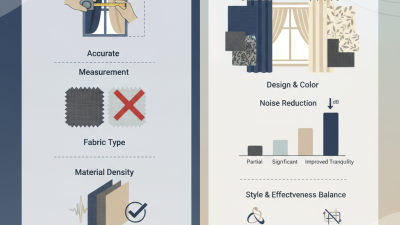
Measure the window carefully, including its height, width, sill, and nearby furniture. Full-length curtains usually cover more leakage points than short panels. Choose dense, tightly woven fabric with generous fullness. A close fit matters. For stronger reduction, consider overlapping panels and a broad track that extends beyond both sides. Remember that curtains soften and absorb sound; they do not create a silent room. Your needs also depend on the room’s purpose. A bedroom may require quieter nighttime conditions, while a home office may need less speech distraction.
Tips: Record noise at different hours for three days. Note when the room feels most uncomfortable. Leave a small gap around the curtain, and you may lose much of its benefit. I once focused too much on fabric weight and overlooked the uncovered window edges. That mistake changed the result. Recheck your measurements before buying, because real rooms are rarely perfectly square.
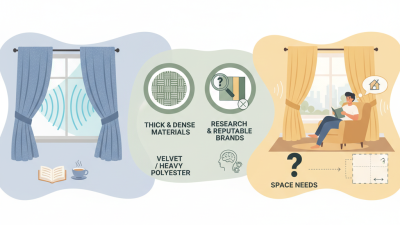
Dense materials usually perform better than thin decorative fabrics. Velvet, tightly woven cotton, and layered polyester can add useful mass near a window. They mainly soften voices, traffic hiss, and other higher-frequency sounds. Low bass is harder to control. Curtains are not complete soundproofing.
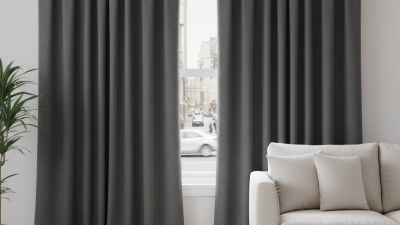
Construction matters just as much as fabric choice. Look for a thermal or acoustic lining, generous fullness, and floor-to-ceiling length. Pleats create more fabric and reduce small sound paths. A wide curtain should extend beyond the window frame on both sides. Covering the top gap helps too.
I once selected heavy curtains that looked impressive but left several inches exposed beside the frame. The result was disappointing. That mistake changed how I judge noise reduction. A snug fit often matters more than an expensive textile. Magnetic edges, overlapping panels, and ceiling tracks can limit gaps further. Avoid loose grommet panels when sound control is important; they often leave openings above the rod.
Check the curtain weight before buying. Heavier does not always mean better, especially if the mounting hardware bends or pulls away from the wall. In a bedroom, test the material at night with ordinary traffic outside. Listen from the pillow, not beside the window. My own judgment has not always been accurate, so a return option remains useful.
Noise-reducing curtains work best when their size, weight, and layers match the window. Measure the glass, frame, and surrounding wall space before shopping. Choose panels extending 15 to 30 centimetres beyond each side. Let the fabric reach the floor, or slightly pool beneath it. This overlap reduces open gaps where sound can travel. A curtain rod should also extend beyond the frame. Small gaps matter.
For weight, choose dense, tightly woven fabric with a substantial lining. A heavier panel may reduce high-frequency noise, such as traffic hiss or voices. It will not stop bass vibrations from buses or construction. Fabric weight may appear in grams per square metre. Higher numbers suggest more material, but they do not guarantee better performance. Hanging hardware must support the load without bending. I once chose impressive-looking panels that sagged at the centre. That mistake weakened the window seal.
Layering usually provides more control than one extremely thick curtain. Combine a dense outer panel with a close-fitting blackout or thermal liner. A separate sheer layer can soften daylight without opening the sound barrier. Install layers on separate tracks when possible. Leave a small air space between fabrics. It can improve absorption. Results still depend on walls, glass, and room furnishings. Test one window during busy hours before covering every room. Your first choice may need adjustment.
Heavy noise-reducing curtains work best when installed correctly. Measure the window and add 15 to 30 centimeters on each side. This extra width helps cover sound leaks around the frame. Mount the rod or track close to the ceiling, rather than directly above the glass. Let the fabric reach the floor with minimal space underneath. Small gaps can weaken the result.
My first installation was not perfect. I left a narrow opening beside the wall, and traffic noise remained noticeable. A wraparound track or wider curtain return would have helped. Use sturdy wall anchors because layered fabric can become surprisingly heavy. Overlap the center panels by at least 10 centimeters. Keep the folds full, not stretched flat. More coverage usually provides better sound control, although curtains cannot block deep bass or replace proper window sealing.
Maintenance also affects performance. Vacuum both sides gently every few weeks, especially along the lower hem. Dust adds weight and can make the fabric lose its shape. Follow the care label before washing, since heat may shrink the lining. Air-dry the panels when possible. Check hooks, seams, and mounting screws twice a year. If the curtains sag, drag, or leave exposed gaps, adjust them promptly. I still find that minor alignment changes can improve a room, but expectations should remain realistic.
| Evaluation Area | Recommended Specification | Why It Matters for Noise Control | Installation or Maintenance Action | Practical Result |
|---|---|---|---|---|
| Curtain construction | Choose multilayer curtains with a dense face fabric, an acoustic or thermal interlining, and a tightly woven backing. | More layers and greater mass help absorb and reflect part of the sound energy reaching the window area. | Check the product specification for total layers and fabric weight rather than relying only on the word “soundproof.” | Generally better performance than a single lightweight decorative curtain, especially for high-frequency indoor noise. |
| Fabric weight | A practical target is approximately 0.7–1.5 kg/m² for heavy acoustic or blackout-style curtains. | Heavier materials usually provide more surface mass and fewer lightweight gaps in the curtain panel. | Confirm whether the stated weight refers to the finished curtain or only the face fabric. | A heavier curtain can reduce perceived reverberation and soften moderate external noise, but it will not replace a sealed window. |
| Curtain fullness | Use approximately 1.5–2.5 times the track or rod width when calculating fabric width. | Pleats create more folds, increase coverage, and reduce direct sound paths through thin exposed areas. | Measure the track width, then multiply it by the selected fullness ratio before ordering panels. | Improved coverage and a more consistent acoustic barrier across the window opening. |
| Window coverage | Extend the track or rod about 15–30 cm beyond each side of the window and let the curtain reach the floor where possible. | Side and bottom gaps allow sound to travel around the curtain instead of through it. | Overlap the center by approximately 10–15 cm when the curtains are closed. | A wider and longer installation normally provides better acoustic coverage than a curtain fitted exactly inside the window recess. |
| Seal quality | Use side returns, a ceiling-mounted track, or a pelmet where practical; keep the bottom close to the floor without creating a trip hazard. | Acoustic performance is often limited by open edges and air gaps rather than by the center of the fabric. | Add magnetic edge seals or hook-and-loop closures for temporary recording, sleeping, or home-theater use. | Reduces sound leakage around the perimeter and improves consistency when the curtain is fully closed. |
| Mounting hardware | Select a track or rod rated for the finished curtain weight, with brackets fixed into suitable wall plugs, studs, or ceiling anchors. | Heavy curtains can pull loose hardware away from the wall, creating gaps and a safety risk. | Install brackets at regular intervals, commonly about 40–60 cm apart for heavy treatments, following the hardware instructions. | Stable hardware keeps the curtain evenly positioned and prevents sagging that can expose gaps. |
| Expected noise reduction | Treat manufacturer dB claims cautiously; many curtains provide only a modest reduction when used alone. | A curtain is usually an added soft treatment, while the window, frame, wall, and air leaks remain major transmission paths. | Use curtains with weather-stripping, secondary glazing, or laminated glass when substantial isolation is required. | Typical real-world improvement is often a noticeable reduction in reflections and perceived noise, not complete sound blocking. |
| Room placement | Cover the largest glass surface and place curtains close to the noise-entry side. | Glass is commonly less massive and less airtight than a solid wall, making it a frequent transmission path. | Close the curtains before the noisy period and keep furniture from preventing the panels from hanging freely. | Better control of window reflections and improved acoustic comfort near the treated opening. |
| Cleaning method | Follow the care label; use vacuuming with a soft brush, gentle washing, or professional cleaning as specified. | Dust and soil can add weight unevenly, affect folds, and damage coatings or interlinings over time. | Vacuum both sides at low suction every 1–3 months and avoid high heat unless the care instructions permit it. | Maintains the curtain’s drape, appearance, and intended coverage without prematurely weakening the fabric. |
| Moisture and mold prevention | Keep fabric dry and allow air circulation around the window, particularly in bathrooms, kitchens, and humid climates. | Persistent moisture can cause odors, mildew, discoloration, and deterioration of backing materials. | Open the curtains periodically, ventilate the room, and dry condensation from the glass and sill. | Preserves fabric integrity and prevents hygiene problems that can reduce service life. |
| Performance verification | Compare the room with curtains open and closed under similar conditions; use a sound-level meter only for relative comparisons. | Traffic, wind, room reflections, and microphone position can change readings, so casual tests are not laboratory ratings. | Take several readings at the same location and time, then evaluate comfort as well as numerical change. | Provides a more realistic indication of installation benefit without presenting an unverified acoustic certification. |
Note: Noise-reducing curtains can improve acoustic comfort, but they are not a substitute for sealing air leaks or upgrading the window assembly when high sound insulation is required.
We now offer custom-made commercial vehicle tarps, along with the ability to design your own curtains, noise panels, and strip doors—tailored to your exact needs!
At Singer Safety, we specialize in manufacturing high-performance tarps engineered to safely secure and protect your vehicle loads during transport.