What Is a PVC Curtain and What Is It Used For?

A pvc curtain is more than a clear plastic divider. It is a flexible barrier made from polyvinyl chloride (PVC), often formed from overlapping strips that hang from a track. People and equipment can pass through without opening a door. The strips then fall back into place. Simple, but not magic.

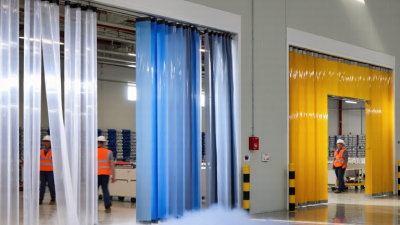
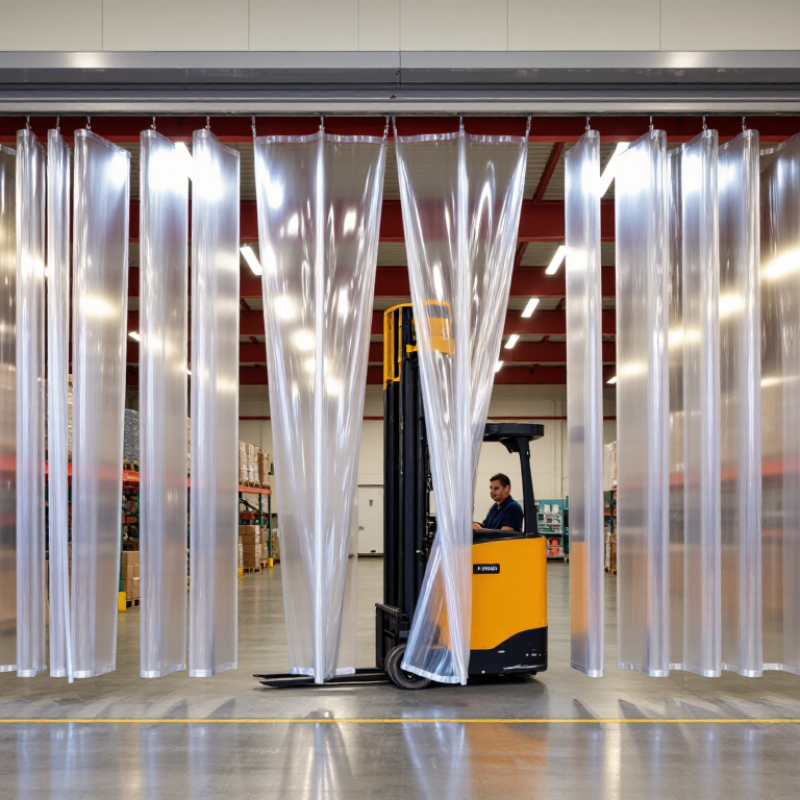
In a warehouse, a forklift may cross a doorway while the curtain helps limit drafts, dust, and noise between work areas. In a food-preparation space, clear strips can separate zones while preserving visibility. The right choice depends on the opening, traffic, temperature, and material thickness. A curtain that is too stiff may slow movement; one that is too light may swing and leave gaps. Small details matter.

This guide explains what a pvc curtain is, how its components work, and where it can be useful. It also covers common options, practical selection factors, and basic care. Because no source or verifiable quotation was provided, I won’t invent a statement and attribute it to a named industry expert. The key idea is straightforward: a curtain should suit the space and the work passing through it. A poor fit can be frustrating. A well-chosen one can make a busy doorway easier to use.
What Is a PVC Curtain and What Is It Used For?

What a PVC Curtain Is

A PVC curtain is a flexible sheet or a series of hanging strips made from polyvinyl chloride. Unlike a solid door, it bends when people, carts, or air move through it. Many versions are transparent or lightly tinted, so workers can see activity on the other side. The material may also include plasticizers and other additives, which affect flexibility, clarity, and resistance to wear.

PVC’s composition helps explain why it can be made into both soft curtains and rigid products. The European Council of Vinyl Manufacturers describes PVC feedstock as roughly 57% chlorine and 43% hydrocarbon. That is a material-level figure, not the recipe for every curtain; additives and construction vary.

Not a rigid panel. In a strip curtain, narrow lengths overlap and hang from a track, leaving gaps that close after passage. Sheet curtains work more like a flexible divider.

The VinylPlus 2024 Progress Report records about 737,000 tonnes of PVC waste recycled in Europe in 2023. This industry figure concerns PVC overall, not curtains specifically, but it shows the scale of the material’s recovery stream.

In practice, curtain thickness, strip overlap, and surface treatment shape how the product feels and performs. A clear strip can still scratch or cloud over time. That detail is easy to overlook.

How PVC Curtains Are Made and Structured

A PVC curtain is usually made from flexible polyvinyl chloride resin compounded with plasticizers, heat stabilizers, and sometimes pigments. The European Council of Vinyl Manufacturers reports that PVC resin is approximately 57% chlorine and 43% ethylene by mass; this describes the base polymer, not the finished curtain. Additives help determine softness, clarity, colour, and resistance to cold or impact. Exact recipes vary, so appearance alone does not reveal performance.

Manufacturers commonly compound the ingredients, form the flexible PVC into continuous sheets or profiles, then cut it into strips. Each strip has a smooth face and finished edges, with thickness selected for the opening and traffic level. Strips hang from a rail or suspension plates, often overlapping to reduce drafts while allowing people or carts to pass. Overlap matters. Too little leaves gaps; too much can make passage awkward. A detail that is easy to miss is how temperature changes flexibility over time.

Tips: Check strip dimensions, overlap, and the stated temperature range before installation. For busy doorways, inspect hanging points regularly; a loose strip can drag, split, or leave an uncovered gap. The setup is simple, but small fit errors can be frustrating.

What Is a PVC Curtain and What Is It Used For? - How PVC Curtains Are Made and Structured
Category Component or Dimension Typical Details Purpose or Notes
Definition PVC curtain A flexible partition made from polyvinyl chloride (PVC), commonly supplied as hanging strips or as a continuous sheet. Separates areas while allowing people, carts, or equipment to pass through, depending on the design.
Common format Strip curtain Parallel flexible strips hang from a track or mounting rail, usually with partial overlap between adjacent strips. The strips part when pushed through and fall back into place afterward.
Common format Sheet curtain A continuous flexible PVC panel, often fitted to a frame, doorway, or enclosure. Useful where a broad, uninterrupted barrier is preferred; access may require a door, opening, or movement of the panel.
Material structure Flexible PVC compound PVC resin is blended with formulation ingredients such as plasticizers, stabilizers, and pigments, as appropriate for the intended use. The formulation affects flexibility, clarity, color, durability, and suitability for the operating environment.
Strip dimensions Thickness Common commercial strip thicknesses are approximately 1–3 mm. Thicker strips are generally heavier and more resistant to impact, while thinner strips are easier to move. Exact selection depends on the opening and traffic.
Strip dimensions Width Common strip widths are approximately 100–300 mm. Strip width and thickness are selected together to balance flexibility, coverage, and durability.
Installation Overlap Adjacent strips may overlap by roughly 25–100% of their width; the selected overlap varies by curtain design. Greater overlap can reduce open gaps, while less overlap can make passage easier. The appropriate arrangement depends on the application.
Mounting structure Hanging rail and hardware Strips are commonly attached to a support rail using plates, hooks, or similar fittings made from metal or other suitable materials. The rail supports the curtain and allows individual strips to be installed, removed, or replaced.
Manufacturing Compounding PVC resin and selected additives are mixed to create a processable compound with the desired properties. Material formulation is chosen according to requirements such as flexibility, color, transparency, and service conditions.
Manufacturing Forming and finishing The compound is processed into flexible sheet or strip stock, then cut to the specified width and length. Edges and surfaces are checked for defects. Finished dimensions and quality checks help ensure the curtain fits its opening and hangs consistently.
Typical uses Industrial and commercial doorways Used at entrances between work areas, warehouses, loading zones, and other indoor spaces. Can help separate spaces while permitting frequent movement through an opening.
Typical uses Environmental separation May be used to help limit drafts, dust movement, noise transfer, or the movement of insects between areas. Performance depends on the installation, overlap, surrounding conditions, and the specific curtain material.
Selection factors Operating conditions and traffic Consider opening size, pedestrian or vehicle traffic, required visibility, temperature, cleaning practices, and exposure to chemicals or sunlight. Not every PVC formulation is suitable for every condition; confirm material suitability with the product specification.

Common Types of PVC Curtains

Common Types of PVC Curtains

PVC curtains come in several forms, each suited to a different opening or work area. Strip curtains use overlapping flexible lengths, letting people and carts pass without opening a door. They are common in warehouses, loading bays, and chilled rooms. Clear strips preserve visibility, while tinted or opaque strips offer more visual separation. Ribbed strips can better tolerate repeated contact, though they may still show wear near busy traffic lanes.

Flat PVC sheets work well as flexible screens around workstations, machinery, or temporary partitions. They can reduce drafts and splashes, but they are not a replacement for a properly designed safety barrier. For cold rooms, low-temperature formulations stay more flexible than standard PVC. Anti-static versions are available for some sensitive work areas; suitability depends on the site’s equipment and requirements. In daily use, small details matter: a curtain that is too heavy can slow passage, while one that is too light may swing in drafts.

Tips: Measure the opening before choosing strip width and overlap. Check temperature, visibility, and traffic frequency. Clean strips regularly, and replace damaged sections before they obstruct the view.

How PVC Curtains Work

A PVC curtain is made from flexible polyvinyl chloride, often formed into clear or colored strips. The strips hang from a track and overlap, creating a movable barrier across a doorway. When someone walks through, the strips bend aside, then swing back toward their original position. No complicated mechanism is needed. The overlap helps limit drafts, dust, and noise without sealing the opening completely.

In a busy workspace, a trolley may push through the strips while people nearby can still see movement on the other side. That visibility can make shared doorways easier to navigate. The curtain also helps separate areas with different temperatures, such as a chilled room and a packing space. It may reduce heat exchange, but it cannot replace an insulated door or controlled ventilation.

How well it works depends on strip thickness, overlap, doorway size, and how often people pass through. Worn or curled strips may leave gaps; even a small gap can matter in a cold room. Cleaning is straightforward, but harsh chemicals or rough handling can cloud or damage the surface. PVC curtains are useful, not perfect. Air can still pass through, and that detail is easy to overlook when choosing a barrier.

Where PVC Curtains Are Used

Where PVC Curtains Are Used

PVC strip curtains are fitted across busy openings where a swinging door would slow people, carts, or forklifts. In refrigerated warehouses, they help limit warm air entering when goods move between zones. The Global Cold Chain Alliance’s 2020 Global Cold Storage Capacity Report estimated worldwide refrigerated warehouse capacity at 719 million cubic meters in 2018, up 8% from 2016. That scale matters. Even a frequently opened doorway can affect temperature stability and create condensation near the threshold.

Food-processing rooms and supermarket backrooms use curtains between chilled storage, packing areas, and corridors. The 2022 U.S. FDA Food Code sets 5°C (41°F) as the maximum temperature for cold-held time/temperature-control foods. A curtain does not maintain that temperature by itself, but it can reduce direct air exchange while staff move through. Clear strips also let workers see approaching carts. They are not doors.

Loading bays, workshops, and distribution centers use heavier strips to separate dusty or drafty work areas from cleaner spaces. Some facilities choose anti-static or specialty formulations for particular environments; ordinary PVC is not automatically suitable for every cleanroom or chemical-handling area. Fit matters too: gaps, worn strips, and poor overlap weaken the barrier. I would check the doorway’s traffic, temperature difference, and cleaning routine before choosing a curtain. A small detail, but easy to overlook.

'