Top Tips for Choosing Sound Proof Curtains for Your Home
When it comes to enhancing your home’s comfort, sound proof curtains play a crucial role. These curtains not only block outside noise but also add a touch of elegance to your interior. Choosing the right sound proof curtains requires careful consideration of various factors. You might think all curtains are similar, but this is far from true.
Different materials and designs affect noise reduction levels significantly. Some curtains are thicker, offering better sound absorption, while others may simply act as decorative elements. You should assess your needs based on the noise levels in your environment. For instance, if you live in a busy area, investing in high-quality sound proof curtains can make a noticeable difference.
Furthermore, decoration styles matter. Curtains should complement your home’s decor while serving their primary function. It can be a challenge to find the perfect balance between aesthetics and effectiveness. Remember, not all sound proof curtains are created equal. Taking the time to explore options will lead you to better choices.
Understanding the Importance of Sound Proof Curtains for Home Noise Reduction
Sound proof curtains are essential for reducing noise pollution in homes. Studies show that noise impacts our health significantly. A report from the World Health Organization states that long-term exposure to excessive noise can lead to stress, sleep disturbances, and cardiovascular issues. Therefore, investing in soundproof curtains can drastically improve your living environment.
When selecting sound proof curtains, consider their material and density. Heavy fabrics, like velvet or polyester blends, offer better sound absorption. A 2021 study indicated that curtains with a thickness of at least 0.5 inches can block up to 30% of background noise. This is crucial in urban areas, where hustle and bustle can disrupt daily life.
However, not all curtains are created equal. Inexpensive options may offer limited benefits. It’s important to assess the soundproofing qualities of materials. Cheaper curtains often fall short in performance. Additionally, proper installation is vital; gaps around windows can allow noise to seep through. Ultimately, understanding these elements can lead to a more peaceful home atmosphere.
Impact of Sound Proof Curtains on Noise Reduction
Key Materials That Enhance Sound Absorption in Curtain Fabrics
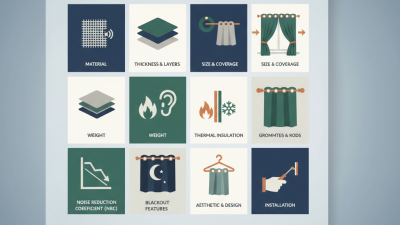
When selecting soundproof curtains, understanding the materials that enhance sound absorption is crucial. Fabrics like velvet and heavy cotton are excellent choices due to their dense structure. These materials inherently absorb sound waves, making them effective in reducing noise. Also, look for curtains with multiple layers, as they tend to block more sound than single-layer options. Consider options that combine different fabric types for improved performance.
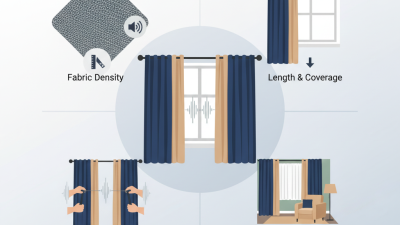
To maximize sound absorption, ensure that the curtains fit your windows well. Gaps at the sides allow noise to seep in, undermining the benefits of your investment. Opt for curtain rods that enable the fabric to hang close to the wall. This layering creates a barrier that dampens external sounds effectively. Remember, heavier curtains often yield better results, but they can also be somewhat challenging to manage.
Think about the room's décor while choosing these curtains. Aesthetic appeal matters, but functionality should always come first. Soundproofing does not mean compromising style. Curtains are available in various colors and patterns, allowing you to maintain your design vision. As you weigh your options, reflect on your space's acoustic needs versus your preferred aesthetic. Achieving balance can be tricky but rewarding.
Factors to Consider When Measuring Windows for Sound Proof Curtains
When choosing soundproof curtains, measuring your windows accurately is crucial. According to industry studies, about 25% of noise can be reduced by using effective soundproof curtains. However, these benefits can only be realized with the right fit. Begin by measuring the width and height of your windows. This ensures complete coverage, allowing curtains to hang outside the window frame for maximum sound absorption.
Consider the fabric thickness as well. Heavier materials tend to block more sound. A report from the Acoustical Society of America suggests that curtains with a density of at least 300 grams per square meter can significantly decrease sound levels. Additionally, ensure that you account for any curtain hardware, which can affect how much sound penetrates through.
When measuring, it’s also important to reflect on your lifestyle. If you need to frequently open and close the curtains, consider a design that is easy to operate but still effective at noise reduction. Installing curtain rods that extend beyond the window can also help. The aim is to create a seamless barrier, but achieving this is often more complex than it appears. Soundproofing isn’t a one-size-fits-all solution, and thoughtful measurement plays a vital role in enhancing your home's acoustics.
Styles and Colors: Balancing Aesthetics with Functionality in Acoustic Curtains
Choosing the right acoustic curtains for your home involves balancing aesthetics with functionality. When selecting styles, consider your space's overall design. Do you prefer bold colors or subtle tones? Heavy fabrics often provide better sound absorption. They also add a luxurious touch. Think about patterns too. A geometric print can add excitement, while a solid color is timeless.
Functionality is crucial. Curtains should effectively block noise while enhancing your interior decor. Consider the thickness and material. Some fabrics are better at soundproofing than others. Look for options with density. Lighter fabrics may look appealing but may not perform well.
Also, reflect on how curtains fit within your overall theme. A dark, plush curtain might suit a cozy room, while a light, airy fabric fits a modern vibe. It's essential to find harmony between beauty and utility. Test sample swatches in your space. What feels right? This decision can be challenging, but it ensures the final look aligns with your vision.
Installation Techniques for Maximizing the Effectiveness of Sound Proof Curtains
When installing soundproof curtains, proper techniques can significantly enhance their effectiveness. Start by measuring your windows accurately. The curtains should extend beyond the frame to block more noise. Ideally, they should touch the floor for the best seal. Consider using a double curtain rod. This allows for a heavier soundproof layer combined with a lighter decorative layer.
Install the curtains close to the wall. This minimizes sound leakage at the edges. Use thick, heavy fabric for better sound absorption. Curtains made from materials like velvet or suede are effective choices. Additionally, ensure that the curtains have a tight weave. A lined curtain can also help in reducing sound penetration.
Remember to check for gaps around the curtain edges after installation. Even small openings can allow noise to seep in. If you notice any gaps, use adhesive foam tape or magnetic strips to seal them. Continuous evaluation of your setup is essential. What works perfectly today may need adjustments tomorrow. Careful attention to these details will enhance your home's soundproofing significantly.
Top Tips for Choosing Sound Proof Curtains for Your Home - Installation Techniques for Maximizing the Effectiveness of Sound Proof Curtains
| Tip |
Description |
Installation Technique |
Effectiveness Rating |
| Material Selection |
Choose heavy, thick fabrics designed for sound absorption. |
Hang curtains close to walls and windows to minimize sound leakage. |
8/10 |
| Length and Width |
Select curtains that extend beyond the window frame for better coverage. |
Use a curtain rod that fits the size of the curtain for full closure. |
9/10 |
| Layering |
Combine soundproof curtains with blackout curtains for enhanced effect. |
Install double rods to hang two layers of curtains. |
10/10 |
| Sealing Gaps |
Ensure no gaps between the curtains and wall/window frame. |
Use Velcro strips or magnets to keep curtains in place. |
9/10 |
| Regular Maintenance |
Keep curtains clean to maintain soundproofing properties. |
Follow washing instructions to avoid damage. |
7/10 |

 '
'
