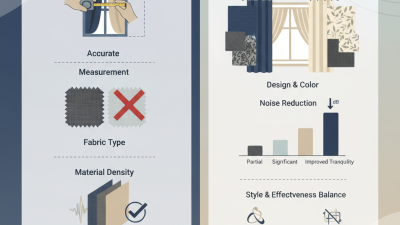
Choosing the right sound dampening curtains starts with understanding what they can actually do. They reduce reflected noise and soften harsh echoes inside a room. They rarely create complete silence. That distinction matters.
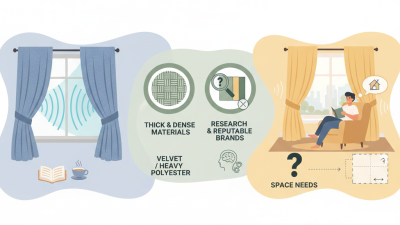
A useful choice depends on your room, noise source, window size, and daily routine. Heavy velvet or layered polyester often performs better than thin decorative fabric. Dense materials can absorb some airborne sound, while generous fullness helps cover gaps around the window. Floor-length panels may also limit sound leakage beneath the glass. However, curtains cannot replace sealed windows, acoustic panels, or professional insulation.
In practice, measure the window carefully before comparing products. Check the curtain’s width, weight, lining, mounting system, and care requirements. A ceiling-mounted track may reduce open spaces above the fabric. Look for credible acoustic test information, but read it cautiously. Testing conditions may differ from your bedroom, office, or recording space.
Small gaps matter.
I once underestimated installation details.
That mistake can reduce performance noticeably. Consider whether you need quieter sleep, clearer video calls, or less traffic noise. Each goal may require a different fabric thickness and coverage level. Also review fire-safety labeling and manufacturer guidance before purchasing. These details are easy to ignore, yet they affect reliability and long-term use.
This guide explains how to compare sound dampening curtains without relying on exaggerated claims. It also considers appearance, budget, maintenance, and practical installation. The best option may not be the thickest curtain. It should balance acoustic improvement with comfort, ventilation, lighting, and realistic expectations.
Choosing sound dampening curtains begins with a clear definition of your sound-control goal. Do you want less street noise, reduced echo, or improved speech privacy? These goals require different solutions. Perhaps you need all three.
Walk around the room and identify the loudest sound path. A window facing traffic needs different treatment from an interior wall beside a television. Note the room’s size, window dimensions, floor materials, and existing furniture. Hard surfaces, such as glass and tile, reflect sound and increase reverberation. Soft furniture can reduce those reflections before curtains are installed. A phone recording can help compare the room before and after treatment, although it is not a professional measurement.
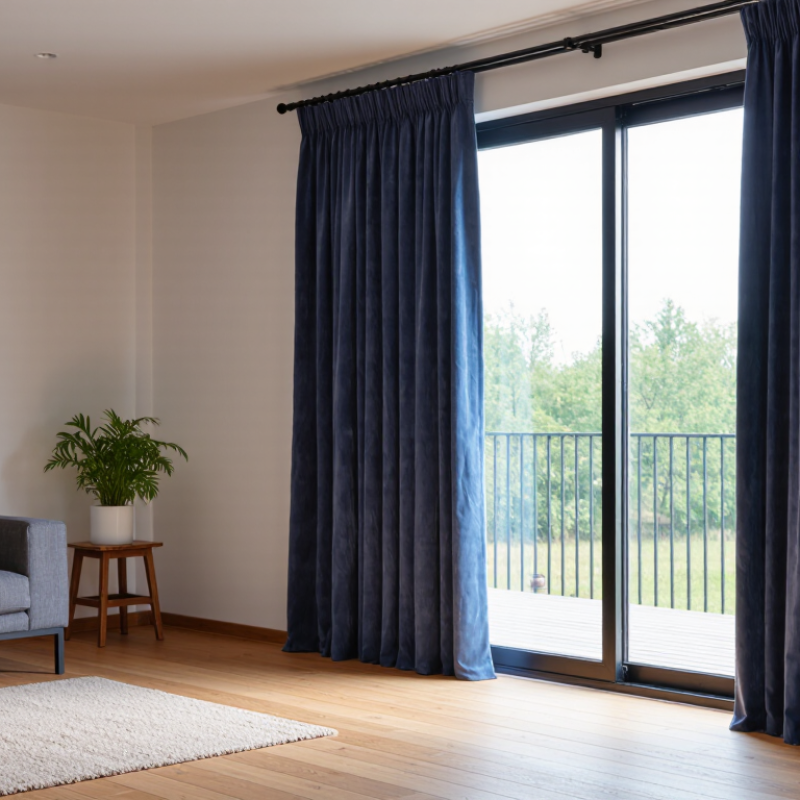
Match the curtain’s construction to the room’s conditions. Dense, multilayer fabric usually absorbs more sound than thin decorative material. Look for tested acoustic performance, clear fabric weights, and practical installation details. Curtain width matters. Extra fullness creates more surface area and fewer gaps around the window. Mount the rod beyond the frame, then let the fabric reach close to the floor. Small gaps can weaken the result.
I once focused too much on fabric thickness and ignored the exposed window edges. The room still felt noisy. That mistake changed my process.
Check seals, placement, and reflections together. Curtains can soften noise, but they rarely block deep bass or replace proper window insulation. Always review cleaning instructions and applicable fire-safety requirements before installation.
Material and construction matter more than color or advertised thickness. Heavy velvet, dense polyester, and tightly woven theatrical fabrics generally absorb more mid- and high-frequency sound than lightweight cotton. Multiple layers add mass and reduce direct reflections. A useful design includes an outer acoustic fabric, a dense middle layer, and a flexible lining. Pleats also help. They increase surface area and soften flutter echoes near glass.
Check laboratory data carefully. ASTM C423 measures sound absorption, commonly reported through the Noise Reduction Coefficient, or NRC. However, NRC does not equal soundproofing. The National Research Council explains that absorption mainly reduces reflected energy, while blocking requires mass, sealing, and structural separation.
Curtains perform best over windows, doors, and hard walls. Leave a small air gap behind them, and extend each panel beyond the opening. Floor-length curtains with generous overlap usually outperform flat, narrow panels.
The World Health Organization’s 2018 Environmental Noise Guidelines identify 45 dB Lden as a recommended outdoor road-traffic target. Curtains cannot reliably create that reduction indoors. They may still make speech clearer and a room feel calmer. Real performance depends on installation and room shape. That part is easy to underestimate. Ask for tested absorption values, frequency ranges, fabric weight, and test conditions. A higher rating may not solve low-frequency bass or engine noise. I would measure the room before buying, then compare the result after installation. Lab figures are useful, but they are not the whole room.
Choosing sound-dampening curtains starts with a tape measure, not a product label. Curtains reduce reflected noise and light, but they do not create a sealed, soundproof room. Measure each window from the outer frame, including the trim if the curtain will cover it. Record width and height separately. Add extra width for fullness, usually 1.5 to 2 times the measured span. Extend the curtain beyond the frame when possible. This helps limit sound paths around the edges. Measure twice. Walls can be uneven.
Tips: Measure doors from the frame’s outer edges, not only the moving panel. Include the handle area and leave enough clearance for opening. For a shared wall, measure the full wall width and height before choosing wall-to-wall coverage. Mark sockets, vents, radiators, and furniture that may block the fabric. Leave only a small floor gap, especially under doors. Light can enter through gaps, and sound may follow similar paths.
In practical room assessments, ceiling height often changes how much fabric looks and performs correctly. A curtain reaching near the floor usually provides better coverage than a short panel. I once measured only the glass area and underestimated the needed width. The result looked neat but left noisy gaps beside the frame. That mistake taught me to measure the entire installation zone. Check the measurements against the rod or track position, because mounting hardware can shift the final coverage by several centimeters.
Choosing sound dampening curtains starts with the way they will hang. Measure the window, wall, and floor space before ordering any fabric. A ceiling track can cover wider gaps, while a rod suits simpler rooms. For better noise reduction, let the curtain extend beyond both sides and reach near the floor. Overlap the center panels slightly. That small detail matters. Use sturdy brackets, especially above a desk, bed, or frequently opened door. My first installation left a narrow side gap, and street noise still entered clearly. That mistake changed how I judge curtain coverage.
Light control depends on weave, lining, and the distance from the glass. A dense, layered curtain can soften morning glare and reduce screen reflections. For a bedroom, test the fabric at noon and again under street lighting. Hold a sample against the window. Dark colors often block more visible light, but they can make a small room feel heavy. A lighter outer surface may keep the room brighter while limiting glare. Do not assume “sound dampening” means soundproofing. Curtains mainly absorb reflections and soften high-frequency sounds, such as voices or traffic hiss. They will not stop every low bass vibration.
Room appearance matters because a useful curtain must remain closed. Choose a pleat style that looks natural when drawn across the wall. Keep hems just above the floor if cleaning is frequent. Let them touch lightly for a fuller, quieter appearance. Match the hardware with existing finishes, but avoid sacrificing strength for decoration. I still find visual balance difficult in narrow rooms. A sample, temporary pin, and evening check can reveal problems before permanent installation.
| Curtain Configuration | Typical Installation Method | Sound-Dampening Potential | Light Control | Room Appearance | Best Use Case | Important Considerations |
|---|---|---|---|---|---|---|
| Single Heavy Curtain | Ceiling track or sturdy curtain rod; mount several inches above and beyond the window. | Moderate Helps absorb reflected sound and soften high-frequency room noise. |
Room darkening Usually reduces daylight substantially when the fabric is tightly woven. |
Simple and streamlined; works well with minimalist interiors. | Bedrooms, home offices, and living rooms needing a practical upgrade. | Performance depends on fabric weight, fullness, and how well the sides and bottom cover gaps. |
| Double-Layer Curtain | Two tracks or a double rod, with a dense backing layer behind a decorative face fabric. | Moderate to high Additional layers can improve absorption and reduce sound reflections. |
High control Allows filtering light with the front layer and blocking light with the rear layer. |
Layered and tailored; offers more color and texture combinations. | Media rooms, nurseries, bedrooms, and multipurpose rooms. | Requires more wall or ceiling depth and may need stronger hardware because of added weight. |
| Floor-to-Ceiling Curtain | Ceiling-mounted track or rod installed close to the ceiling and extending to the floor. | High Greater fabric coverage increases the treated surface area and reduces echo near windows. |
High control Can cover the entire window and part of the surrounding wall. |
Makes ceilings appear taller and creates a continuous, polished backdrop. | Large windows, glass doors, studios, and rooms with noticeable reverberation. | Measure carefully; the curtain should reach the floor without creating unsafe or bulky folds. |
| Full-Width Wall Curtain | Continuous ceiling track spanning the window and adjacent wall sections. | High Provides more acoustic coverage than treating the window alone. |
Very high control Can cover windows, wall gaps, and side light leakage. |
Creates a soft feature wall and can visually unify an uneven window arrangement. | Recording practice rooms, conference spaces, and rooms with hard wall surfaces. | Uses more fabric and space; confirm that the track and wall structure can support the load. |
| Ripple-Fold Track Curtain | Ceiling-mounted track with evenly spaced carriers and a consistent wave fold. | Moderate to high Maintains relatively even folds that support consistent coverage. |
High control Works well with tightly woven or lined fabrics. |
Contemporary, orderly, and less bulky than traditional deep pleats. | Modern offices, lounges, bedrooms, and spaces requiring frequent opening and closing. | Needs compatible track hardware and sufficient side stacking space when opened. |
| Grommet or Eyelet Curtain | Heavy-duty rod passed through metal or reinforced fabric eyelets. | Low to moderate Convenient, but top and side gaps can reduce acoustic coverage. |
Moderate control Improves when the rod extends beyond the window and the fabric is lined. |
Casual and easy to install; suitable for relaxed residential rooms. | Rental homes and rooms where simple installation is a priority. | Choose a rod rated for the curtain weight; frequent sliding may create friction at the eyelets. |
| Pinch-Pleat Curtain | Decorative rod rings, hooks, or a ceiling track with sewn-in pleats. | Moderate to high Extra fullness creates more fabric surface for sound absorption. |
High control Performs best with lining and generous overlap at the center. |
Traditional and formal, with structured folds and a tailored finish. | Dining rooms, formal living rooms, theaters, and classic interiors. | Usually needs more fabric than flat panels and may require professional measuring. |
| Acoustic Curtain with Side Seals | Ceiling track combined with overlapping side returns, bottom contact, or magnetic seals. | Highest practical option Minimizes sound paths around the edges, although it does not make a room soundproof. |
Very high control Edge sealing also reduces light leakage. |
Functional and substantial; best suited to dedicated performance or work areas. | Podcast rooms, music practice spaces, meeting rooms, and noisy window zones. | More expensive and heavier; verify track capacity, clearance, ventilation, and fire-safety requirements. |
| Layered Sheer and Blackout Panels | Double rod or double track, with a translucent front panel and dense rear panel. | Low to moderate Improves room softness, but the sheer layer alone has limited acoustic effect. |
Flexible control Sheers diffuse daylight; blackout panels provide stronger daytime darkness. |
Light, versatile, and visually adjustable throughout the day. | Bedrooms and living rooms where both daylight flexibility and decoration matter. | Not the best choice when maximum noise reduction is the main goal. |
Selection note: Sound-dampening curtains reduce reflected sound and can lessen some incoming noise, but they do not provide true soundproofing. For the best results, prioritize heavy, tightly woven fabric, generous fullness, floor-to-ceiling coverage, and minimal gaps at the sides, center, and bottom. Always confirm hardware load ratings and local fire-safety requirements before installation.
Choosing sound dampening curtains starts with a realistic goal. They can soften echoes and reduce high-frequency noise, but they will not soundproof a room. For a bedroom beside a busy street, I would measure the window, note outside noise, and check the curtain’s weight. Dense, tightly woven fabric usually performs better than thin decorative cloth. Floor-to-ceiling coverage also limits sound leakage around the glass.
Durability matters when curtains open daily. Inspect the stitching, grommets, and hanging system before buying. A heavy panel can strain a weak rod. I once chose an oversized curtain for maximum coverage, but the rail bent within weeks. That mistake taught me to match fabric weight with suitable hardware. Check the care label too. Some materials require professional cleaning, while washable options suit homes with children, pets, or dusty streets.
Maintenance affects the real budget. A cheaper curtain may cost more after repeated cleaning or early replacement. Compare the purchase price, cleaning method, expected lifespan, and installation needs. Blackout lining can improve light control, but it may add weight and reduce airflow. Measure twice. Leave enough overlap at the sides and center. Performance also depends on the room, so a small sample test is worthwhile before covering every window. Perfect results are unlikely, yet careful choices can make conversations clearer and evenings calmer.
We now offer custom-made commercial vehicle tarps, along with the ability to design your own curtains, noise panels, and strip doors—tailored to your exact needs!
At Singer Safety, we specialize in manufacturing high-performance tarps engineered to safely secure and protect your vehicle loads during transport.