China Top 10 Soundproof Curtains Manufacturers
Choosing soundproof curtains is rarely as simple as comparing product photos. A thick, heavy panel may soften traffic noise or reduce echo, but no curtain can make every room completely silent. Performance depends on fabric layers, window gaps, installation, and the sounds outside. Small details matter. A narrow gap beside a frame can undermine an otherwise well-made curtain.
This guide to China’s top 10 soundproof curtains manufacturers offers a starting point for buyers comparing suppliers. It focuses on practical questions: What materials are used? Are acoustic test results available, and do they describe the tested product clearly? Can the manufacturer provide custom sizes, stable production, and samples before a larger order? Clear answers are more useful than broad claims. Ask about lead times, stitching, lining options, care instructions, and packaging, too.
Company rankings can change, and a listing should not be treated as an endorsement. A manufacturer’s capabilities may vary by product line and order requirements. Buyers should verify current specifications directly and, where possible, assess samples in the intended room. That step takes time. It can reveal issues that brochures miss, such as stiff fabric, uneven hems, or limited light control. The guide aims to support a more informed shortlist, not promise silence or a perfect supplier. Some comparisons remain imperfect; available information is not always equally detailed. Still, careful questions can help distinguish credible manufacturers from polished marketing.

What Soundproof Curtains Are and How They Reduce Noise
What Soundproof Curtains Are and How They Reduce Noise
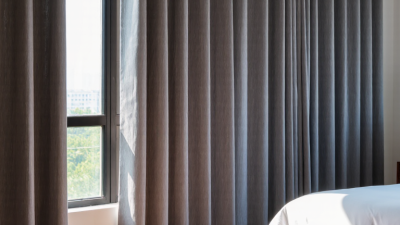
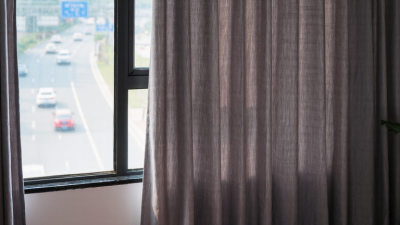
Soundproof curtains are dense, multi-layer window coverings designed to limit some outside noise. Their weight and tightly woven fabric can absorb part of the sound energy that reaches a window. They may also reduce small air gaps when hung close to the wall. In a bedroom, this can soften traffic rumble or voices from the street. The change is usually noticeable, but not silent-room dramatic. Curtains do not replace proper acoustic windows or seal gaps around frames. The term “soundproof” can overpromise; performance depends on fabric, fit, and the noise itself.
Tips: Choose curtains wider than the window, and let them extend beyond its sides. A close fit helps, but leave them easy to open. Check for lining and fabric weight, not just product claims.
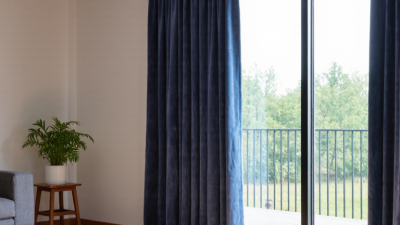
For best results, cover the full window area and keep the curtain near the floor or sill. Heavy fabric may also block daylight and make a room feel warmer, so consider ventilation and light needs. Low voices and high-pitched sounds may change differently from deep bass. That is the part people often miss. If noise remains strong, inspect the window seals and other paths before expecting thicker curtains to solve everything.
An Overview of China’s Soundproof Curtain Manufacturing Industry
China Top 10 Soundproof Curtains Manufacturers
China’s soundproof-curtain manufacturing sits within a much larger textile supply chain. The China National Textile and Apparel Council reported that textile enterprises above designated size generated about RMB 4.75 trillion in operating revenue in 2023. This figure covers the wider textile sector, not curtain makers alone. Public statistics rarely distinguish acoustic curtains from ordinary window textiles, so market comparisons need careful qualification.
For factories and buyers, “soundproof” should not imply silence. Heavy, multilayer fabrics may reduce some incoming noise when they cover the window fully and hang in deep folds. Gaps at the edges can weaken the effect. Testing matters: ISO 354 measures sound absorption in a reverberation room, but absorption is not the same as blocking sound through a window. Fabric weight alone cannot establish an acoustic rating. This distinction is easy to miss.
Tips: Request test reports for the exact product construction, including the test method and frequency range. Check the lining, seams, overlap, and installation details. A sample can reveal how the curtain drapes and whether light slips through its edges.
Criteria for Ranking Leading Chinese Manufacturers
China Top 10 Soundproof Curtains Manufacturers
Criteria for Ranking Leading Chinese Manufacturers
Ranking manufacturers requires more than comparing catalog claims. A useful review checks fabric density, layered construction, stitching, and how curtains are tested. Ask whether reported noise reduction comes from an independent laboratory or an internal test. The testing setup matters. Results from a small sample may not reflect a full window with side gaps, hard floors, or a poorly fitted rail.
Production consistency is another practical measure. Buyers can request fabric specifications, sample swatches, inspection records, and clear details about custom sizing. Check whether suppliers explain care instructions and expected color variation between batches. These details reveal more than a polished product image. They also help prevent surprises when curtains arrive.
Service and documentation deserve weight alongside performance. Compare response times, sample policies, packaging methods, and the way defects are handled. A dependable manufacturer should give specific answers, not broad promises. Still, rankings have limits: public information may be incomplete, and one test cannot represent every room. A careful assessment should note those gaps and avoid treating a single rating as a guarantee.
China Top 10 Soundproof Curtains Manufacturers
Criteria for Ranking Leading Chinese Manufacturers
The chart presents an editorial evaluation framework, with criteria weighted to a total of 100%. It is not a scorecard for specific companies. Sound reduction performance, verified through product testing, receives the greatest weight; other factors include material quality, customization, production capacity, certifications, and customer support.
Profiles of China’s Top 10 Soundproof Curtain Manufacturers
Profiles of China’s Top 10 Soundproof Curtain Manufacturers
A useful manufacturer profile should explain more than product appearance. Compare each company’s fabric options, construction methods, customization range, and quality-control process. Some factories focus on dense, multi-layer curtains for homes. Others produce made-to-measure panels for hotels, studios, or offices. Look for details about fabric weight, lining, seams, and available track systems. These practical differences matter. A thick curtain may feel substantial, yet still leave sound leaking around its edges.
Profiles should also distinguish verified capabilities from broad marketing claims. Ask whether acoustic results come from independent testing, and check what the test actually measured. Curtains can soften echoes and reduce some incoming noise, but they do not create a fully soundproof room. A reliable supplier should explain this limitation clearly. Delivery timelines, sample availability, and after-sales support deserve attention too. I would not rank a factory on product photos alone; that shortcut can be misleading.
Tips: Request a fabric sample and inspect its backing, stitching, and drape in daylight. Confirm finished dimensions, not just fabric width. If possible, test a sample near a window before ordering a full set.
How to Compare Suppliers and Select the Right Manufacturer
China Top 10 Soundproof Curtains Manufacturers
How to Compare Suppliers and Select the Right Manufacturer
When reviewing Chinese manufacturers, compare more than catalog photos and quoted prices. Ask for fabric weight, layer construction, finished dimensions, and documented acoustic test results. Curtains can reduce some noise, but they cannot make a room completely soundproof. Check whether test conditions resemble your intended use. A thick sample may feel impressive, yet gaps around the window can weaken its practical effect. Request a sample and inspect its seams, lining, color, and odor. Also confirm minimum order quantities, production timelines, packaging, and how defects are handled. A clear reply is useful evidence, though it is not proof of consistent production.
Tips: Send every supplier the same window measurements and specification sheet. Compare landed costs, not just unit prices. Ask whether the quoted price includes custom sizing and sample fees. Keep replies in writing.
Before choosing, look for a repeatable quality process, such as fabric checks before cutting and finished-product measurements before packing. Ask for recent inspection records or a live production walkthrough, if available. Verify that any test report identifies the tested material and method. Small detail, big effect. A supplier’s sample can differ from bulk output, so agree on an approved reference sample and inspection criteria. No comparison table captures everything; installation needs and room acoustics still deserve a second look.



 '
